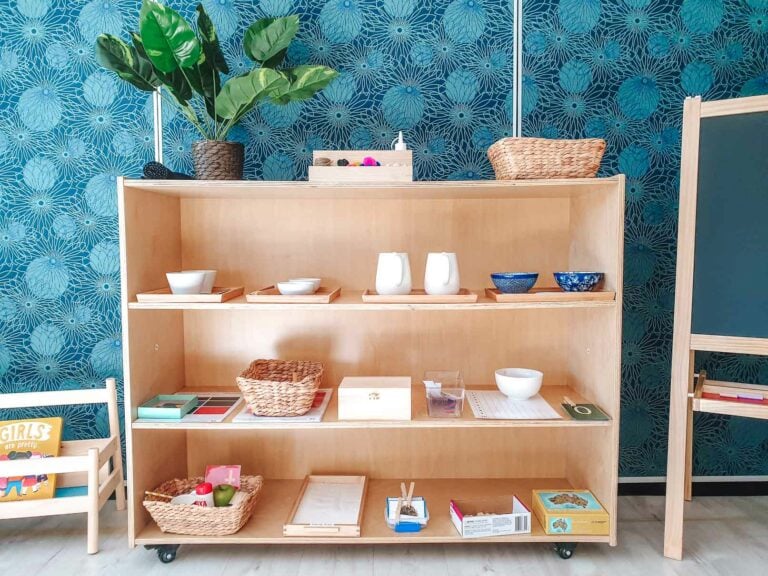
Preschool Resource Pack
- Colour Box 3
- Pink Tower & Brown Stairs
- Red Rods & Number Rods
- Trinomial Puzzle
- Russian Nesting Dolls
- Numbers & Alphabet Cards
- Language Cards
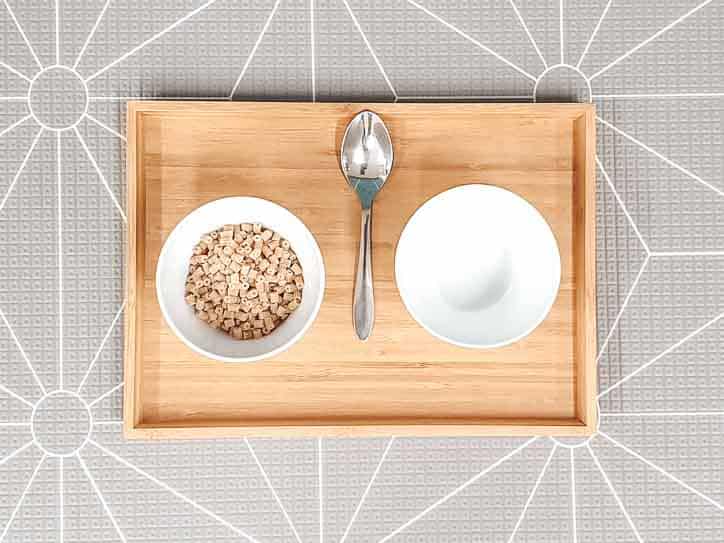
Spooning
Create your own scooping activities at home by using two bowls, a spoon, a tray, and some dry pasta.
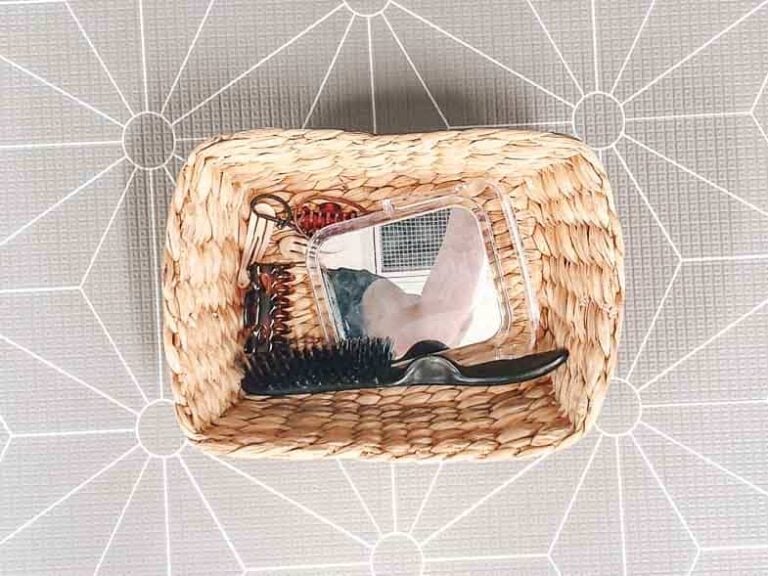
Care of Self Basket
Create your own basket for care of self and fill it with materials your child can use to brush their hair.
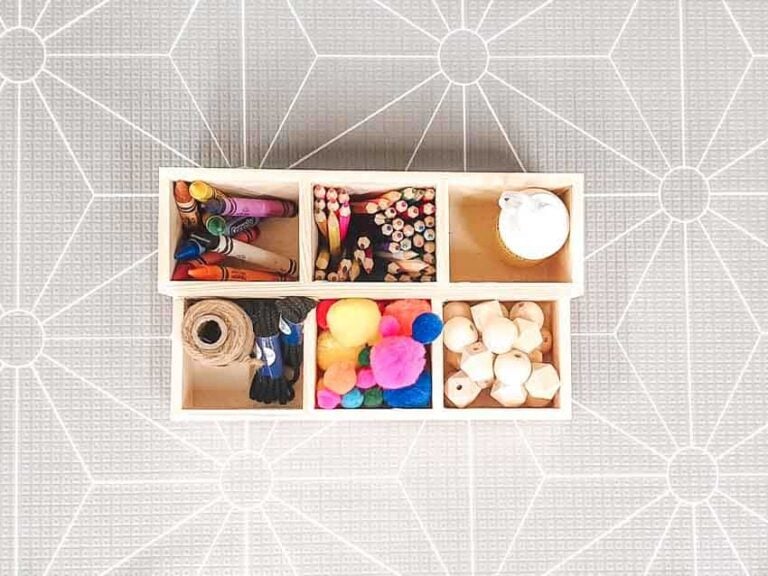
Art & Craft Resources
Collect loose art and craft resources from around your home and create your own quiet activity basket.
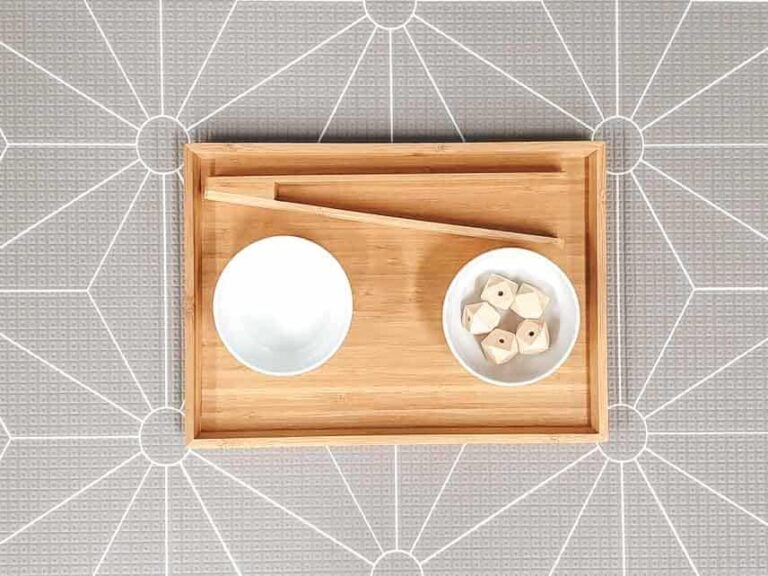
Tong Transfer
Tong transfer activities are a wonderful way to develop fine motor skills, coordination, and concentration. Transfer activities can be introduced to children from the time they are capable of self-feeding. However, transfer activities are also enjoyed by toddler and preschool aged children.
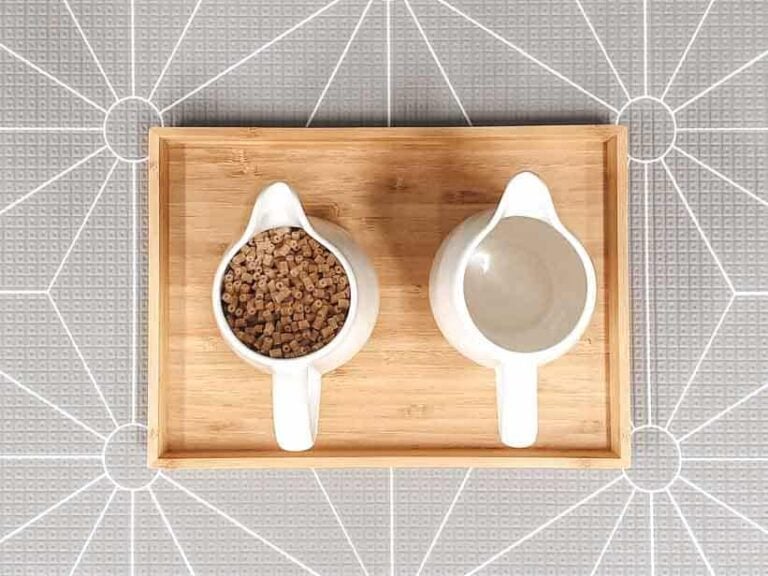
Pouring
Create your own pouring activities at home by using two jugs, a tray or container, and some pasta. You can extend on dry pouring activities by adding wet pouring activities.
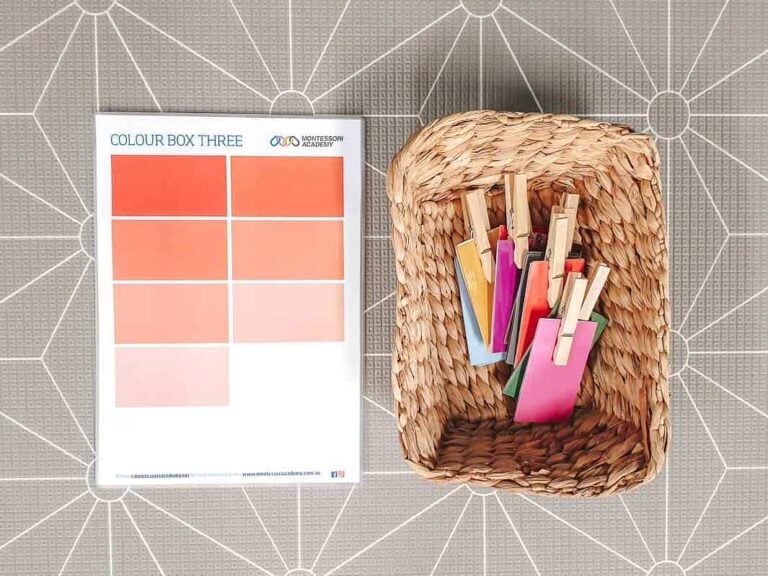
Colour Box Three
Use the supplied resources to replicate colour identification and shade matching activities to develop your child’s visual sense.
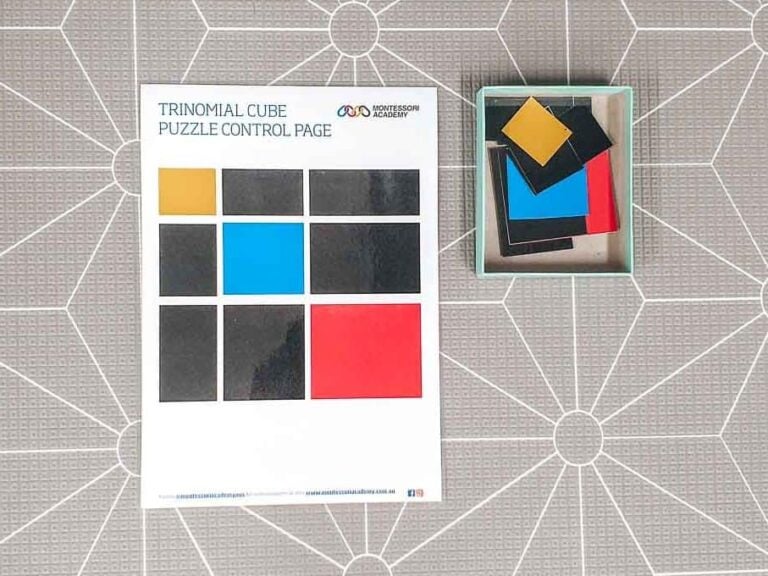
Trinomial Puzzle
Create your own Trinomial Puzzle to practice creating one level of the Trinomial Cube.
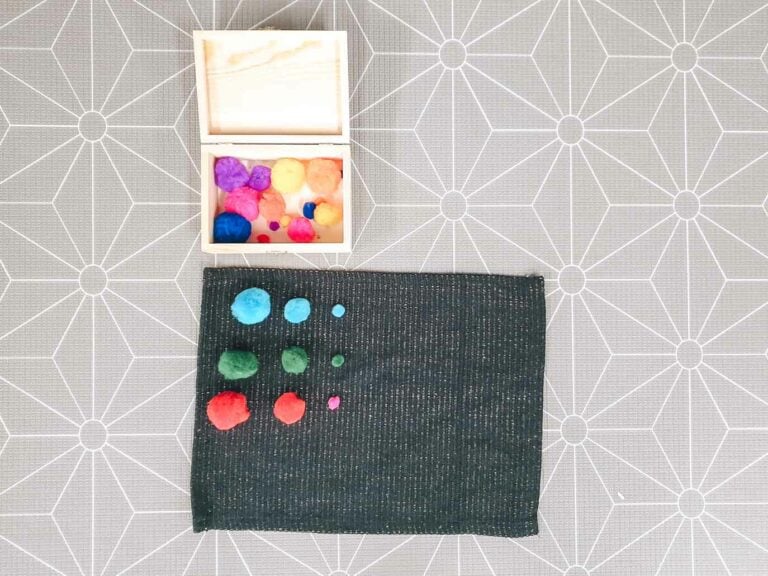
DIY Seriation
Create your own seriation activity with pom poms of different sizes. You can use anything that comes in a variety of sizes.
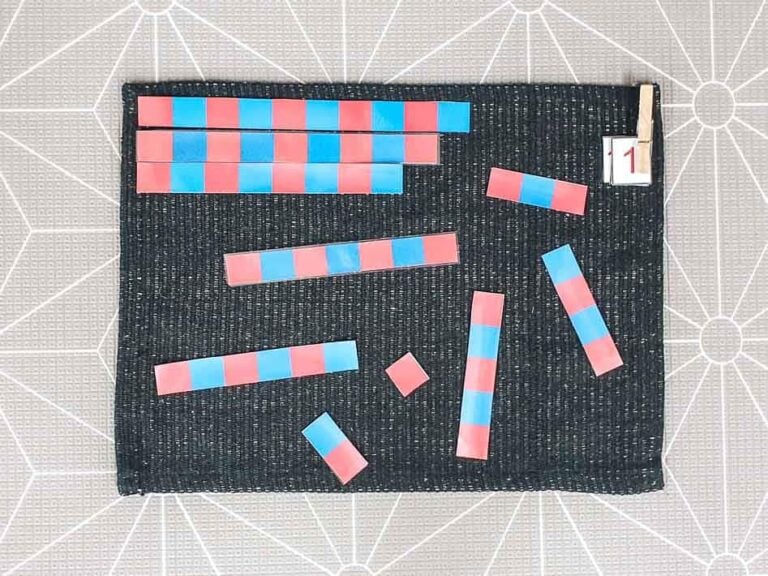
Number Rods Puzzle
Use the supplied resource for the Number Rods Puzzle to help your child learn the numbers one to ten and associate the quantity with the number.
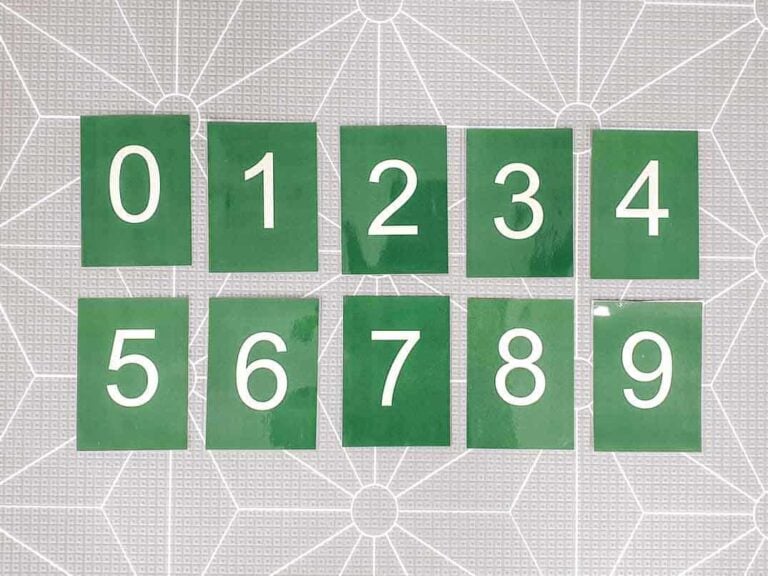
Number Cards
Assist your child with developing an understanding of the symbols that represent the numbers from zero to nine. This material will also assist your child with preparation for writing numerals.
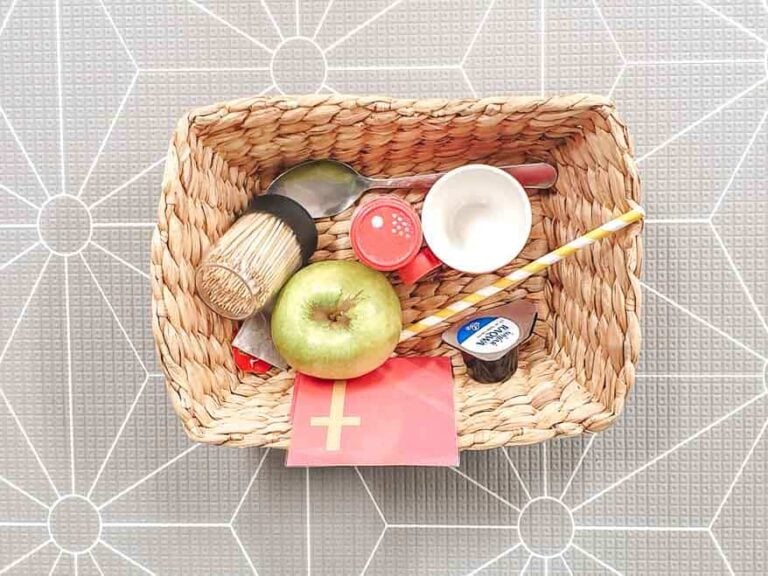
Sound Baskets
Create your own sound baskets using the letter resource cards and found objects from around the home.
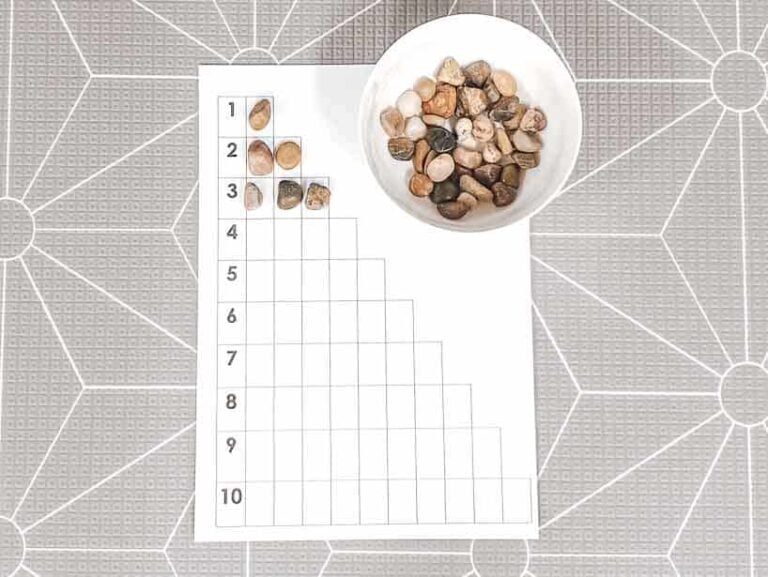
Counting Grid
Use the supplied counting grid to assist your child with identifying and quantifying numerals. This is also a great activity to practice counting!
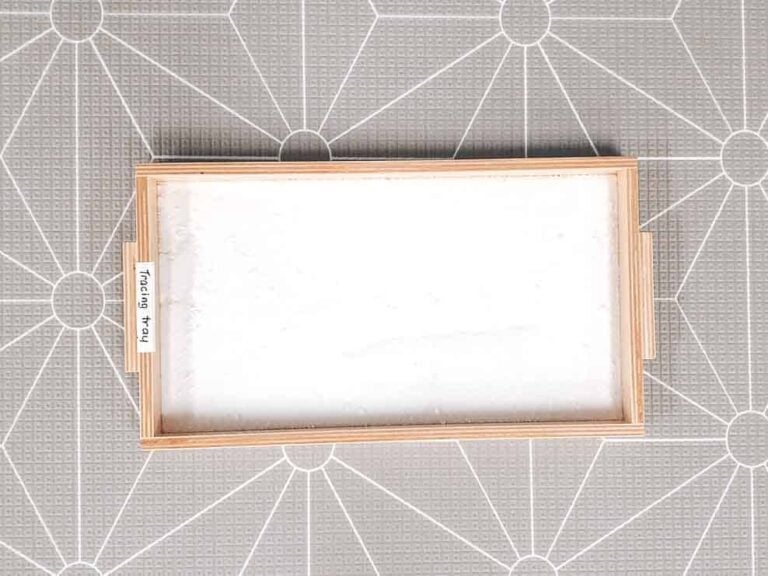
Tracing Tray
Create your own tracing tray to practice writing letters and numerals using salt, semolina, or sand.
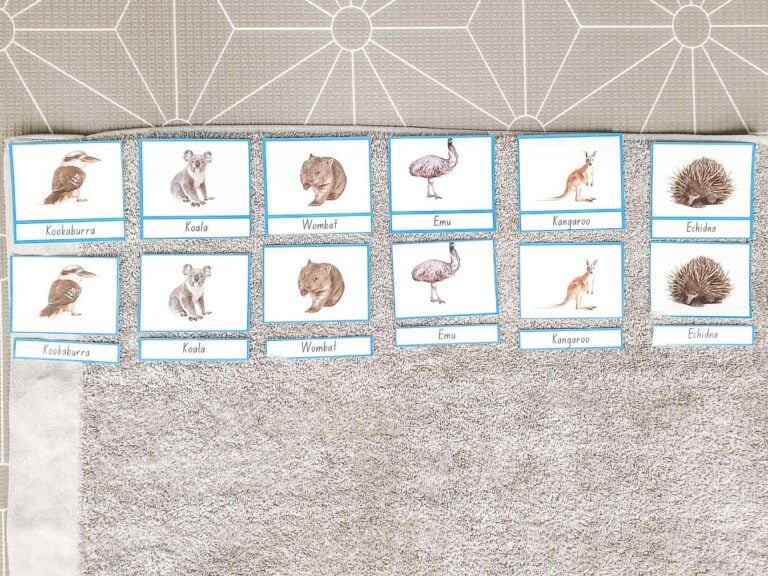
Three Part Language Cards
Use the supplied three part cards to introduce your child to a new set of words. These cards assist children in internalising the information on the cards by requiring picture and word matching.
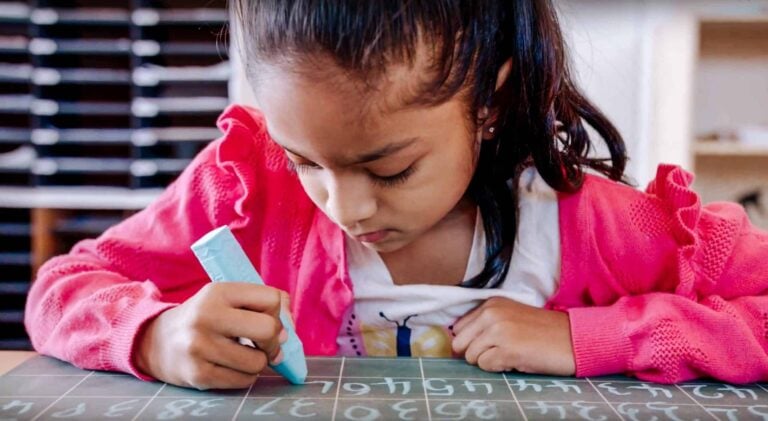
Additional Preschool Resources
Resources to reinforce foundational knowledge and skills in preparation for school and life.