Choosing the right early learning environment for your child is one of the biggest decisions you’ll make as a parent, and if you’ve started your research, chances are you’ve come across two well-loved approaches: Montessori and Steiner (also known as Waldorf) education. Both have been guiding children’s growth for over a century, and both take a warm, child-centred approach to early childhood. But when it comes to Montessori vs Steiner, the underlying Montessori Philosophy, classroom environments, and teaching styles are quite different. In this guide, we’ll introduce you to Dr Maria Montessori and Rudolf Steiner, the founders behind each approach, walk through the key differences and similarities, and help you decide which one might be the right fit for your child.
What Is Montessori?
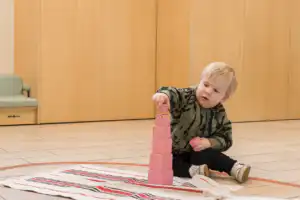
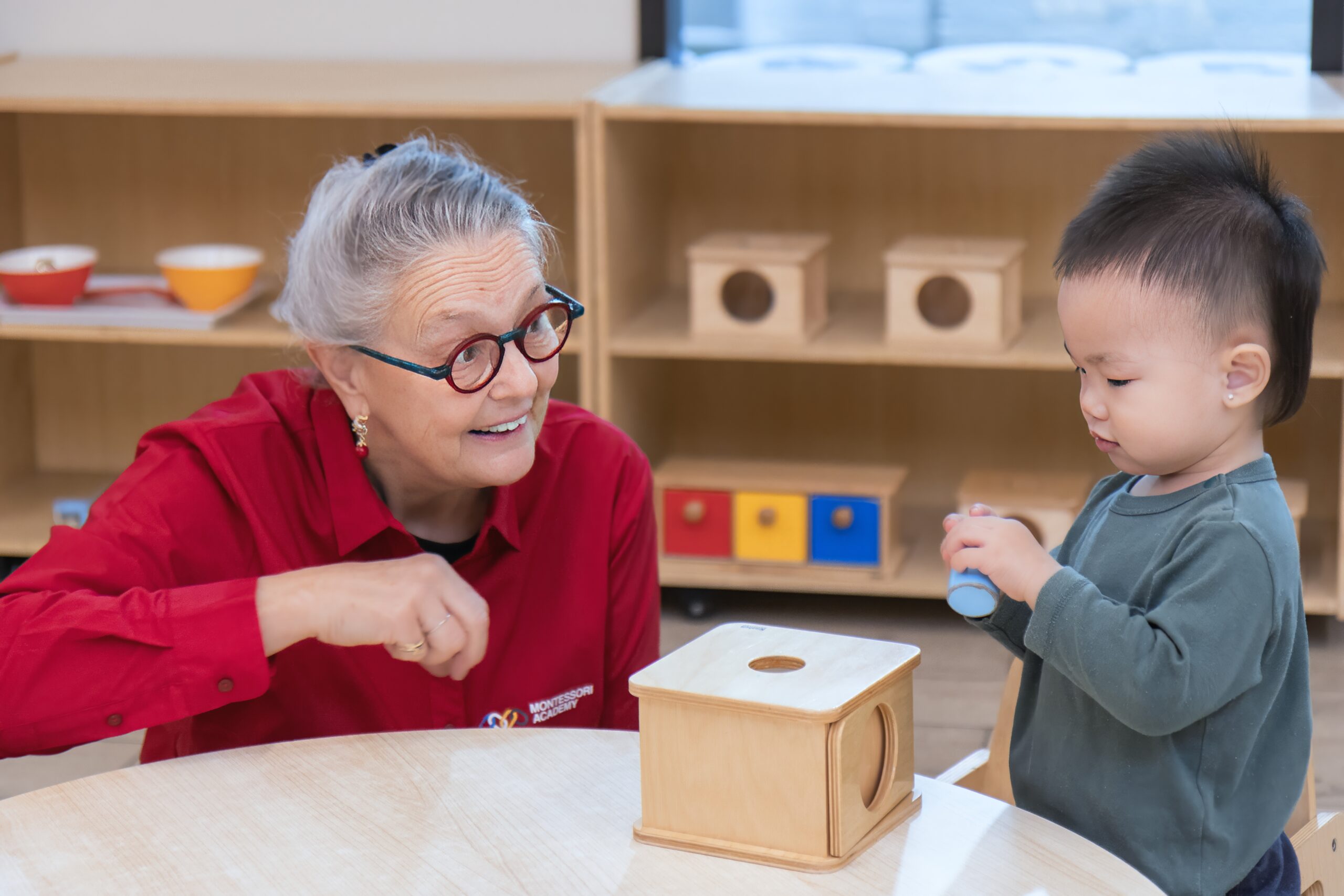
Montessori education is a child-led approach to early childhood learning, founded in the early 1900s by Italian physician and educator Maria Montessori. At its heart, the Montessori approach is about giving children the freedom to explore, discover, and learn at their own pace within a carefully prepared environment. Classrooms are set up with hands-on, multi-sensory materials that children choose for themselves, encouraging independence, concentration, and a genuine love of learning from an early age.
Montessori education also favours mixed-age classrooms, where older children naturally mentor younger ones, and practical life skills sit alongside academic learning. Rather than a rigid, one-size-fits-all curriculum, the Montessori method adapts to each child’s individual interests and stage of development, making it a popular choice for families looking for a gentle but purposeful start to early childhood.
At the core of this approach is the belief that young children first need a firm foundation in the real world before they can truly organise their imaginative thinking. Montessori materials aren’t arbitrary, they’re developed from decades of careful, scientific observation of how children naturally develop and what genuinely interests them. Literacy and numeracy materials, for example, are introduced because they parallel children’s own interests at that age, and as children explore them, they face small daily decisions that strengthen their will and help them get to know themselves.
What Is Steiner?
So, what is a Steiner school, exactly? Steiner education (often used interchangeably with Waldorf education) takes a different, though equally nurturing, approach to early learning. While Maria Montessori was developing her method in Italy, Austrian philosopher and social reformer Rudolf Steiner was shaping his own educational philosophy in early 20th-century Germany.
What is Steiner education, in practice? It’s an approach built around imagination, creativity, and a deep respect for childhood as a distinct stage of life, rather than simply a preparation for adulthood. This Steiner education philosophy holds that children learn best through imitation, rhythm, and connection to nature. Waldorf classrooms favour natural materials, storytelling, music, movement, and open-ended play over structured academic instruction, especially in the early years, with formal academics introduced gradually as children grow older.
With its focus on art, imagination, rhythm, tradition, and symbolic teaching, Steiner education trusts children to work out their own identity, relationships, and understanding of the world largely through self-directed, imaginative play.
Difference Between Montessori and Steiner
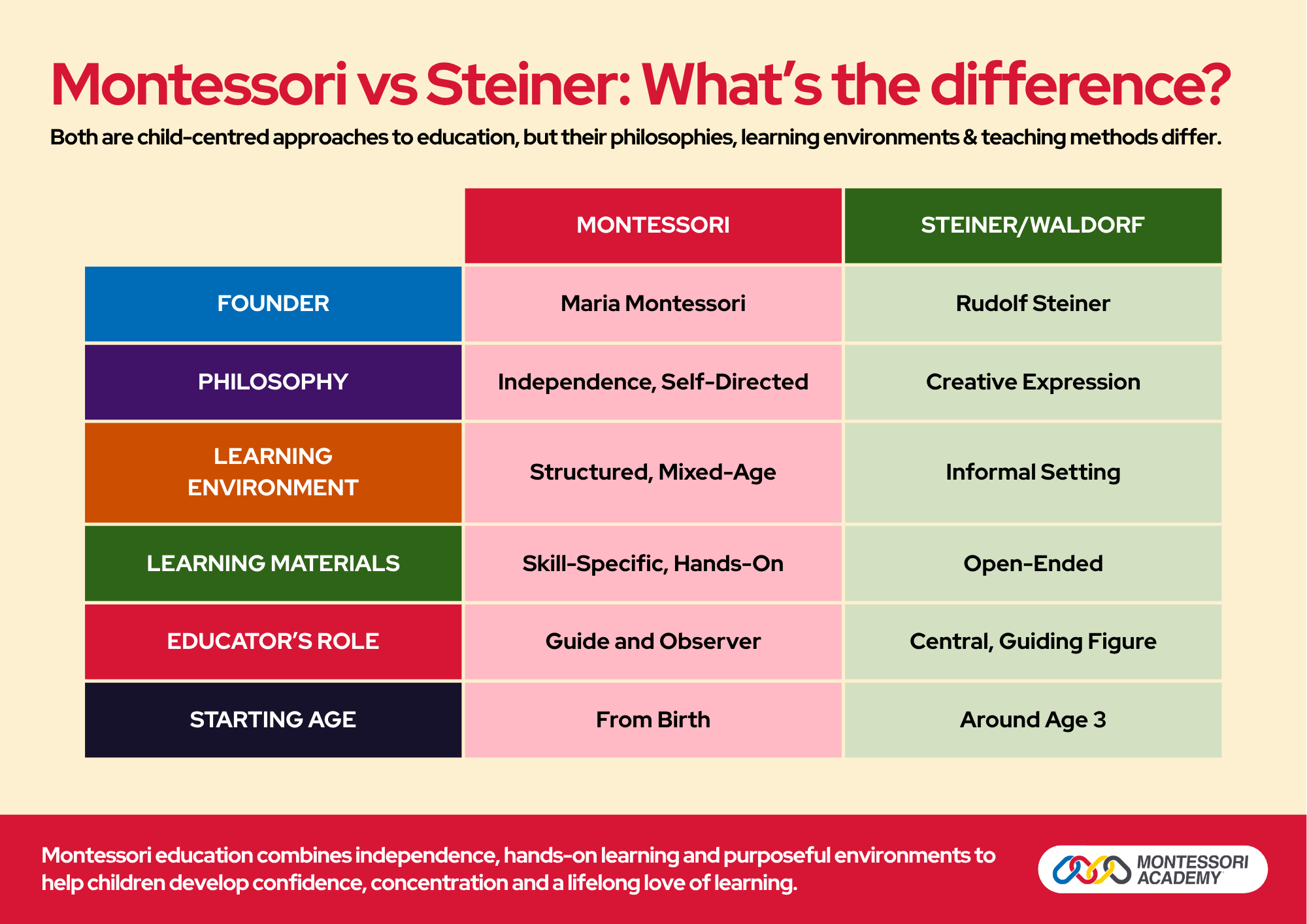
So, what is the difference between Montessori and Steiner schools, in practice? While both are gentle alternatives to a traditional, teacher-directed classroom, they take quite different paths to get there. Here’s a closer look at how the two approaches compare across a few key areas.
Philosophy
Montessori education centres on independence and self-directed learning, encouraging children to choose their own work and progress at their own pace. Steiner education, by contrast, focuses on imagination and holistic development, often described through the “head, heart, and hands” working together.
Classroom Environment
A Montessori classroom is calm, ordered, and filled with specially designed learning materials, each with its own purpose and place on open shelving. In a Steiner vs Montessori classroom comparison, you’ll notice Steiner classrooms feel more like a cosy, home-like space, filled with natural textures and muted colours, with simple, versatile materials rather than structured teaching aids.
Learning Materials
The materials used in each setting reflect their underlying philosophy. Montessori materials are typically designed to teach a specific skill, such as a set of graded cylinders for size discrimination or a bead chain for linear counting. Steiner materials, on the other hand, are usually simple, open-ended, and made from natural materials like wood, wool, or cotton, encouraging imaginative and unstructured play. When comparing Steiner vs Montessori materials, the key difference is purpose: Montessori materials guide a child towards a specific learning outcome, while Steiner materials are left open to a child’s own imagination.
Role of the Teacher
In a Montessori setting, the teacher (or “guide”) observes and supports each child’s independent learning, stepping in only when needed. In a Steiner classroom, the teacher plays a more central, nurturing role, often staying with the same group of children for several years and leading activities such as storytelling, songs, and craft.
Curriculum and Structure
Montessori education uses a structured sequence of materials and skills, though children can move through them at their own pace and in an order that suits their interests. Steiner education follows a more flexible, rhythm-based structure, with formal academic learning (reading, writing, and maths) typically introduced later, often not until around age six or seven.
Are There Any Similarities Between Montessori and Steiner?
Despite their differences, Montessori and Steiner education share a good deal of common ground. Both were developed in the early 1900s as a reaction against rigid, traditional schooling, and both place enormous value on respecting the child as an individual. When it comes to Montessori and Steiner similarities, you’ll notice that both approaches:
- Prioritise child-led, hands-on learning over rote memorisation
- Emphasise a calm, unhurried pace through early childhood
- Encourage independence and real-world, practical skills
- Support small class sizes and close relationships with educators
- Value connection with nature and the outdoors as part of learning
Is Montessori or Steiner Better?
There’s no single answer to whether Montessori or Steiner is “better”: it really comes down to your child’s personality and your family’s values. If your child thrives on structure, enjoys hands-on problem-solving, and likes choosing their own activities, the Montessori approach might be the perfect fit. If your child is highly imaginative, sensitive to rhythm and routine, and loves storytelling, craft, and outdoor play, a Steiner education rooted in this kind of Steiner philosophy could suit them beautifully.
Families weighing up a Steiner school vs Montessori decision often find it helpful to visit a few centres in person before deciding, since seeing the environment and meeting the educators tends to make the choice much clearer.
The Montessori Advantage
At Montessori Academy, we’ve seen firsthand how the Montessori approach helps children build independence, confidence, and a genuine love of learning that lasts well beyond the early years. Our classrooms bring the Montessori philosophy to life every day, with beautifully prepared environments, hands-on materials, and educators who are passionate about following each child’s individual pace and interests.
If you’d like to see the Montessori difference for yourself, we’d love to show you around one of our centres and answer any questions you have about choosing the right early childhood approach for your family. Get in touch with our Family Care Team today to book a tour or enquire about enrolment.
FAQs
Is Steiner the Same as Waldorf?
Yes, Steiner and Waldorf refer to the same educational approach. It’s called Steiner education after its founder, Rudolf Steiner, and Waldorf education after the first school that used this method. You’ll often see the two names used interchangeably.
Which Is Better, Montessori or Steiner?
As with the broader Montessori vs Steiner question, there’s no single “better” option: it comes down to your child’s personality and family’s educational values. The two clearest differences are timing and play. Montessori introduces core academic skills, including early reading, from around age three, while Steiner holds off on formal instruction until closer to six or seven. Montessori also leans towards practical, real-world tasks, while Steiner places a much stronger emphasis on fantasy, storytelling, and open-ended imaginative play.
Can a Child Move From a Steiner/Waldorf Program Into a Montessori One?
Yes, many children move between Steiner/Waldorf and Montessori settings, especially in the early years. It may take time to adjust to a new routine and classroom style, but children are generally adaptable, and educators in both settings are used to welcoming children from different educational backgrounds.
Is Montessori or Steiner Better for Children with Additional Needs?
Both approaches can work well for children with additional needs, though the best fit really depends on the individual child. Montessori’s structured, hands-on materials and self-paced learning can suit children who benefit from predictability and clear steps, while Steiner’s gentle rhythms and sensory-rich activities can suit children who thrive with a slower, less academically focused pace. It’s worth discussing your child’s specific needs with educators at any centre you’re considering.
Is Montessori or Steiner Better for a Child With ADHD?
Neither approach is universally “better” for children with ADHD: what works best depends on how a child’s individual symptoms line up with each environment’s structure, pacing, and teaching style. Montessori settings tend to feature self-directed work, tactile materials, and freedom of movement, which can help some children with ADHD stay engaged and follow their own interests, including during periods of hyperfocus. Steiner’s slower, rhythm-based days and sensory-rich activities can suit other children well, particularly those who benefit from predictable routines and lesser academic focus. As with any additional need, it’s worth discussing your child’s specific profile with educators directly.
What Age Should My Child Start Montessori or Steiner Education?
Montessori education can start from birth, with infant and toddler programs designed for babies and very young children, well before children move into a Primary classroom around age three. Steiner education programs typically begin a little later, around age three, with formal, school-style learning not usually starting until around age six or seven in either approach.
Do Montessori and Steiner Schools Follow the Australian Curriculum / EYLF?
In Australia, most Montessori early learning services are approved and assessed against the National Quality Framework and Early Years Learning Framework (EYLF), while incorporating Montessori’s own philosophy and materials. Steiner and Waldorf early learning services generally follow the same requirement. For school-age years, Steiner schools typically teach through the Australian Steiner Curriculum Framework (ASCF), developed by Steiner Education Australia and recognised by the Australian Curriculum, Assessment and Reporting Authority (ACARA) as equivalent to the mainstream Australian Curriculum. It covers the same core learning areas, including English, maths, science, history, and geography, from Foundation through to Year 10. Individual Montessori schools vary in how closely they align with the Australian Curriculum, so it’s worth checking with your chosen school directly.
A key understanding that underpins Montessori education is the belief that young children need a firm foundation in the real world before they can truly organise their imaginative thoughts. The materials available in the Montessori environment are specifically and scientifically developed from extensive observation of children’s development and interests. The access to literacy and numeracy materials exists because this parallels children’s interests and as they explore these interests, they face small daily decisions that strengthen and develop their will and allow them to know themselves.
Steiner education with its focus on art, imagination, rhythms and traditions and symbolic teaching trusts children to work out their identities, relationships and understanding of the world through self-directed fantasy play.