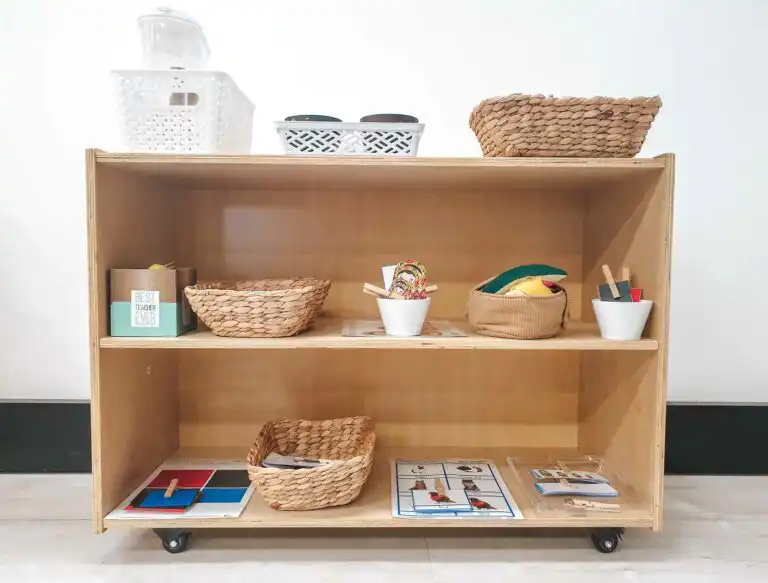
Toddler Resource Pack
- Colour Cards & Colour Box 2
- Pink Tower & Brown Stairs
- Red Rods & Binomial Puzzle
- Russian Nesting Dolls
- Numbers & Alphabet Cards
- Language Cards
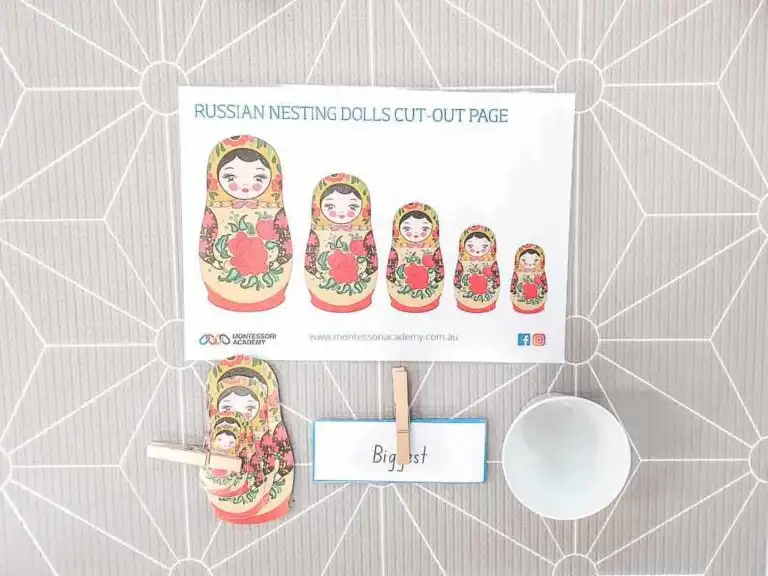
Russian Matryoshka or Nesting Dolls
Use the supplied Russian Matryoshka Nesting Doll printable to create a simple seriation and language activity at home.
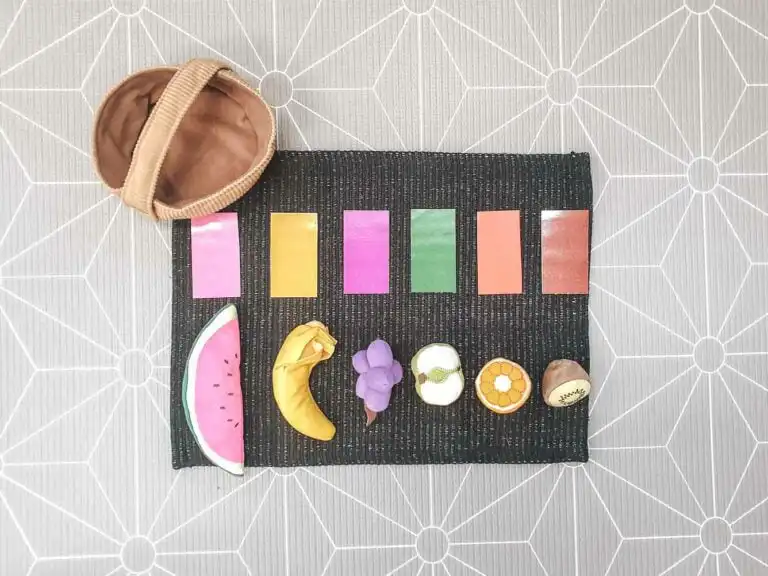
Colour Matching
Use the supplied resources for Colour Box Two to practice colour identification and colour matching with your child. Colour Box Two introduces children to an extended range of colours.
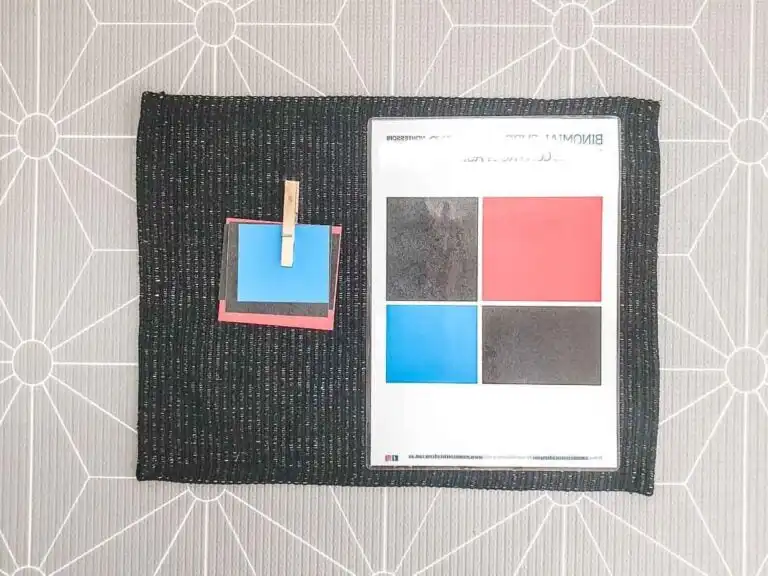
Binomial Puzzle
Create your own Binomial Puzzle at home using the supplied resources. This is a matching activity that also prepares children for mathematics.
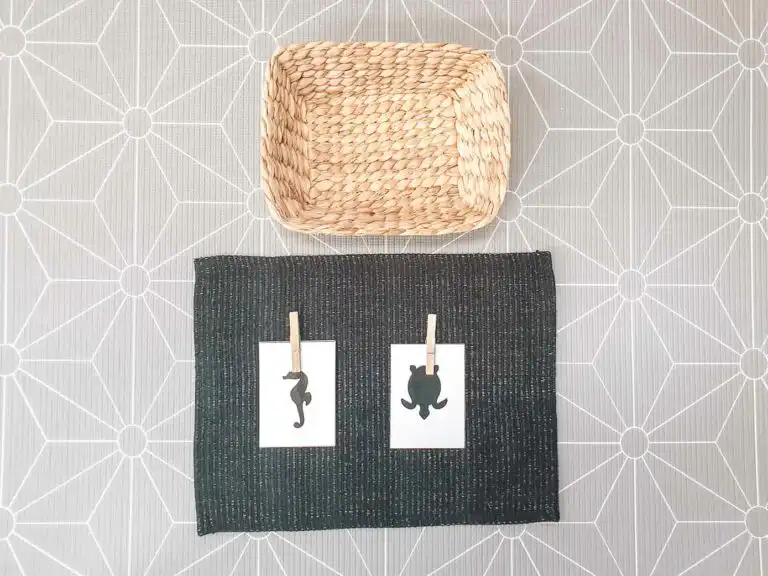
Matching Cards
Use the supplied matching cards to create a matching activity for your toddler. Remember to define the work space with a rug, fabric napkin, or a towel.
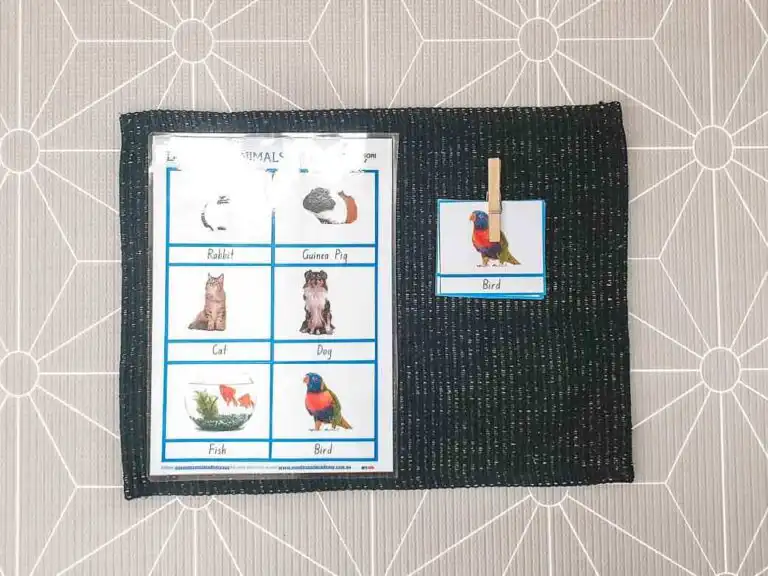
Language Cards
Use the supplied two part cards to assist your toddler with matching and language development.
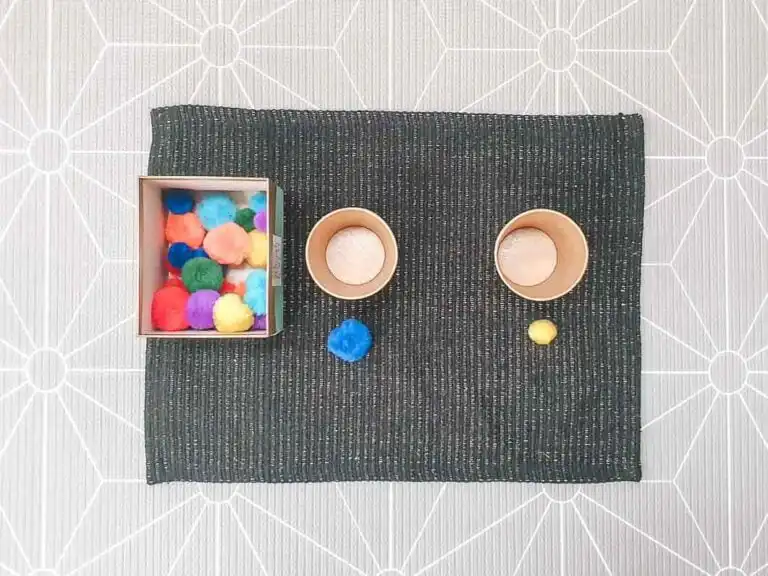
Whole Hand Transfer
Whole hand transfer is a great activity for children aged 18 months – 3 years to develop their fine motor skills and coordination. All you need is an old tea caddy and pom poms.
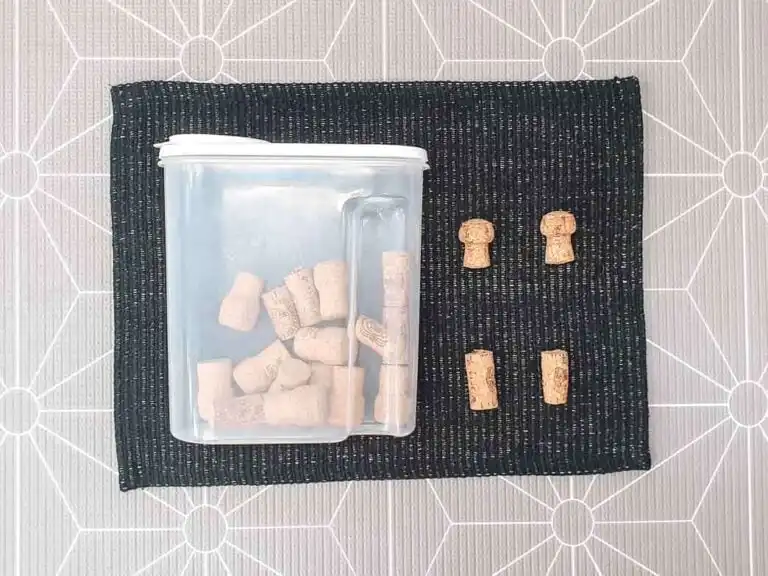
Imbucare or Posting Box
Create your own Imbucare Box using found objects to explore the concept of object permanence with your toddler. Extend on the activity by adding counting and sorting.
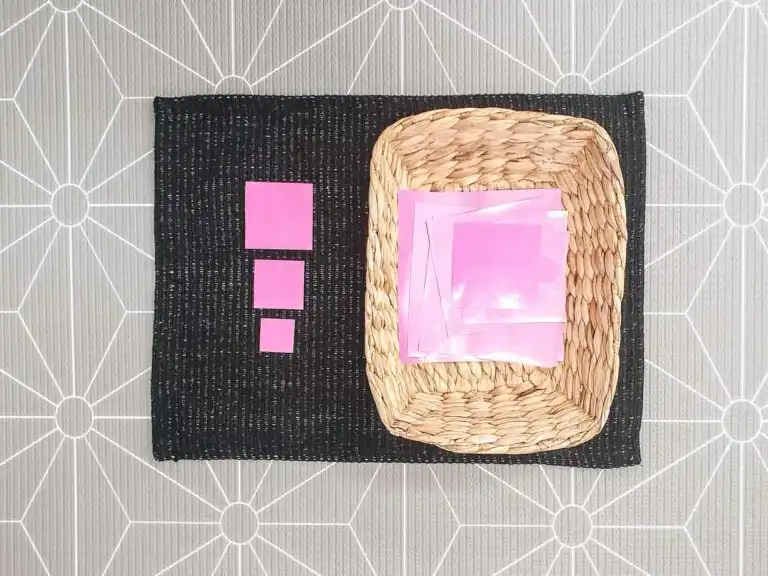
Pink Tower Puzzle
Use the supplied Pink Tower Puzzle resource to assist with refining your child’s visual sense by discriminating differences in size.
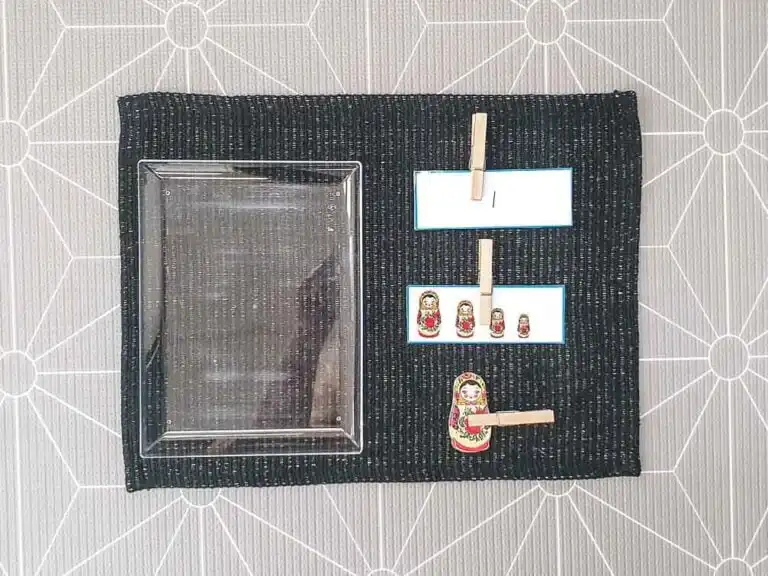
Counting with Russian Matryoshka Dolls
Practice counting with the supplied Russian Matryoshka Dolls printable and lesson instructions.
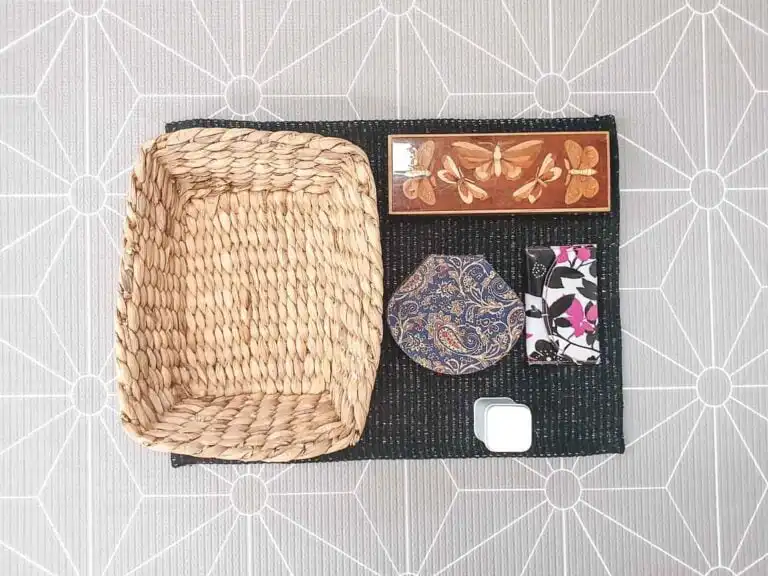
Open and Close
Create your own opening and closing activities from containers and bags found at home.
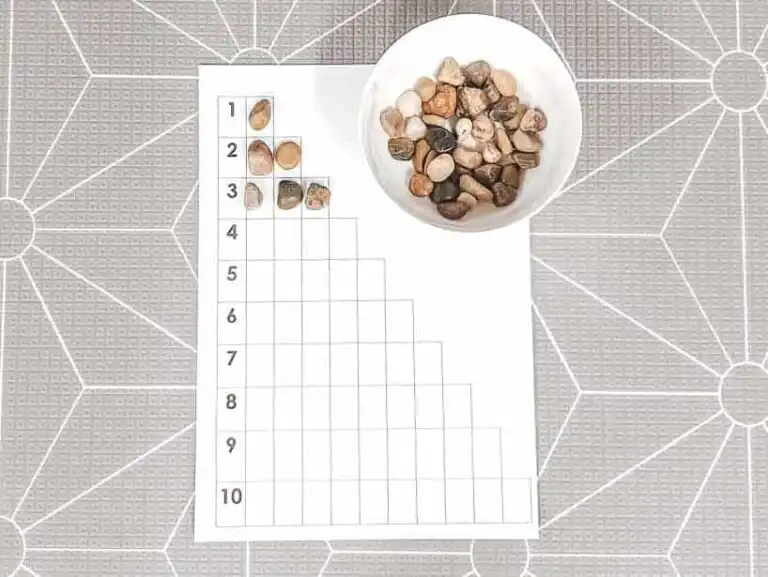
Counting Grid
Use the supplied counting grid to assist your child with identifying and quantifying numerals. This is also a great activity to practice counting!

Scooping, Spooning and Pouring
Create your own scooping, spooning and pouring activities at home by using found objects in your kitchen drawers.
Additional Toddler Resources
Hands-on learning opportunities that explore the five areas of the Montessori Curriculum.