

Everyone knows that structured play can do wonders for your child’s social, cognitive, and academic development. However independent or free play is equally important in your little one’s early childhood development.
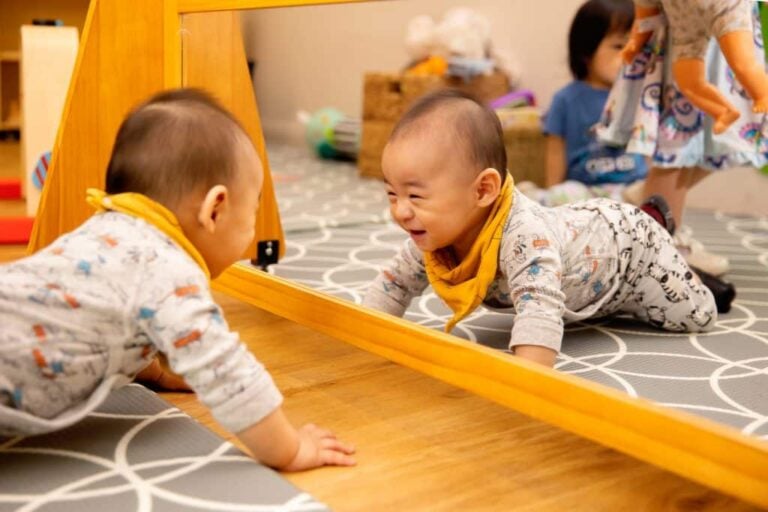
The Montessori approach to respectful parenting is a great guide to raising bright and independent children. Before you get started, it’s essential that you equip yourself with the basic and underlying principles of this approach.
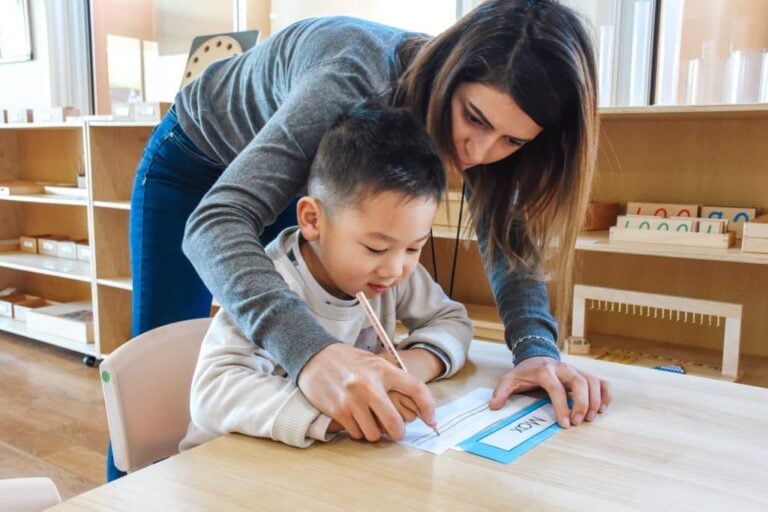
As a parent, it is exciting to see your little one go to school for the first time, but it can also be daunting they set off for adventure in promising new territory.

Schooling is one of the most critical phases of a child’s life. As a new - and sometimes daunting - world for children it’s important that parents do what they can to ready their children for this new chapter of life.

During their early years, children undergo a crucial period of development where they build the foundations of their immune system.

Learning how to wash your hands is simple and fun with our hand washing infographic. This free printable provides visual cues to remind your little one to practice the good hygiene habit of hand washing.
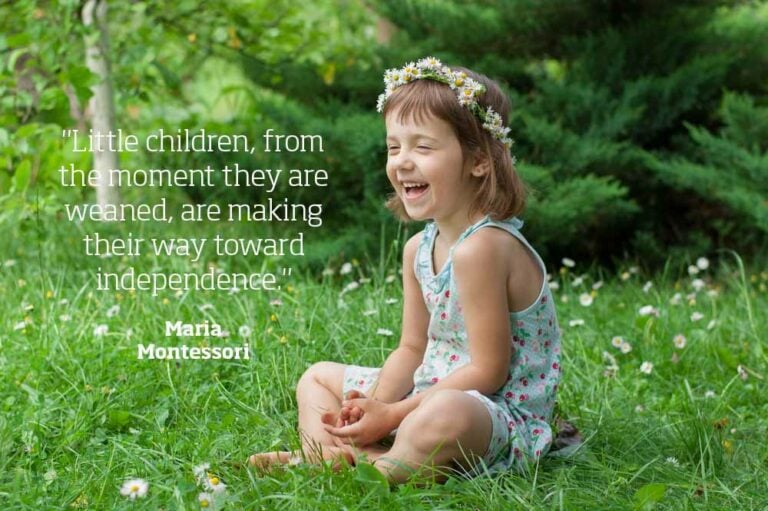
Raising children is one of the most challenging and rewarding roles you will ever undertake. Some days are more challenging than others; however, the rewards are so very worthwhile. After all, what is more fulfilling than seeing your little ones grow into happy and confident children who are empowered with resilience and independence?
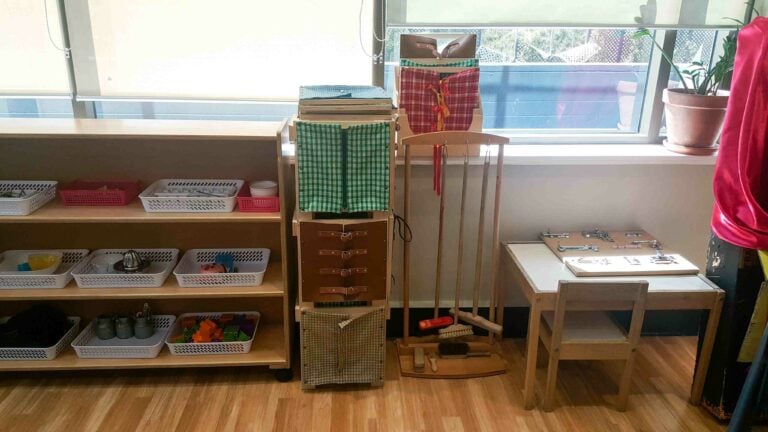
The Dressing Frame is a key Montessori Practical Life material which helps children to develop independence and care of self as they learn to fasten different clothing implements.

Starting off the Montessori preschool year with confidence and positivity is a great way to prepare your child to excel as they progress through the Montessori Curriculum.

Life is full of challenges and obstacles that can cause children to feel overwhelmed and frustrated. We all experience a range of stressors in our day-to-day lives, and children are no exception. Tripping and falling in the playground, transitioning to a new school, or not being able to complete a puzzle or activity, are all examples of difficulties our children may experience in their early years.
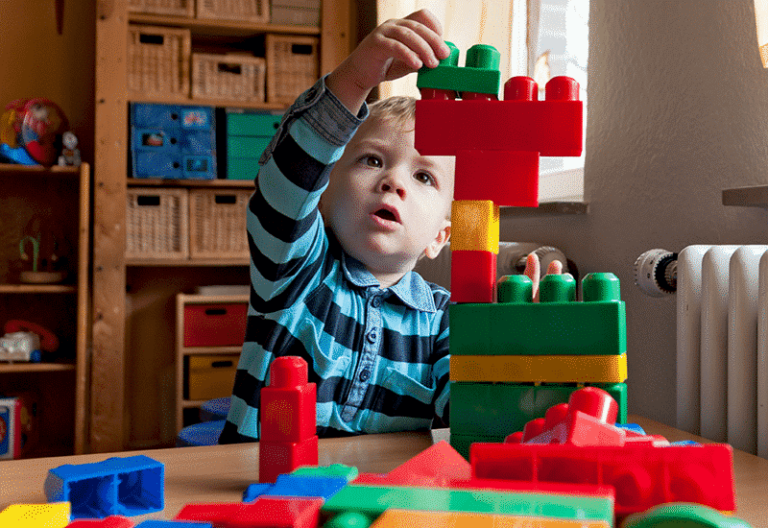
Have you heard the saying: “Having kids is like continually cleaning up after a party you didn’t attend?” For busy mums and dads, the struggle to get children to pack away after themselves, is a real and constant daily battle.
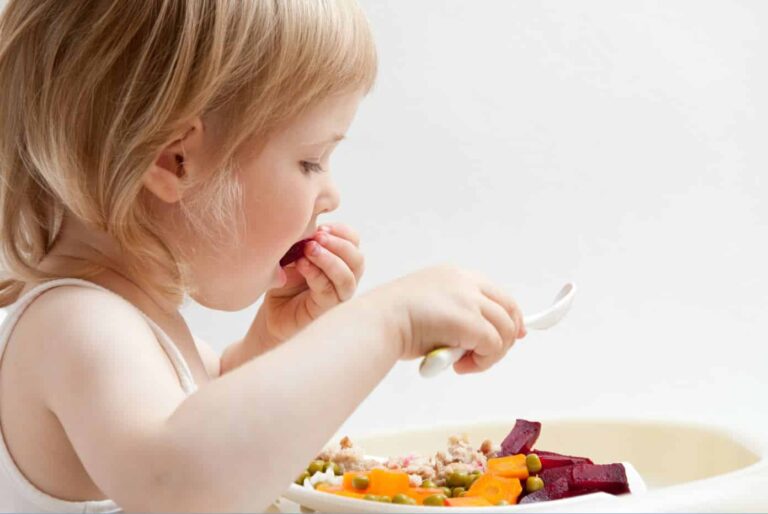
Supporting children’s independence is one of the most consistent themes in Montessori education. But why is teaching independence important for infants?