
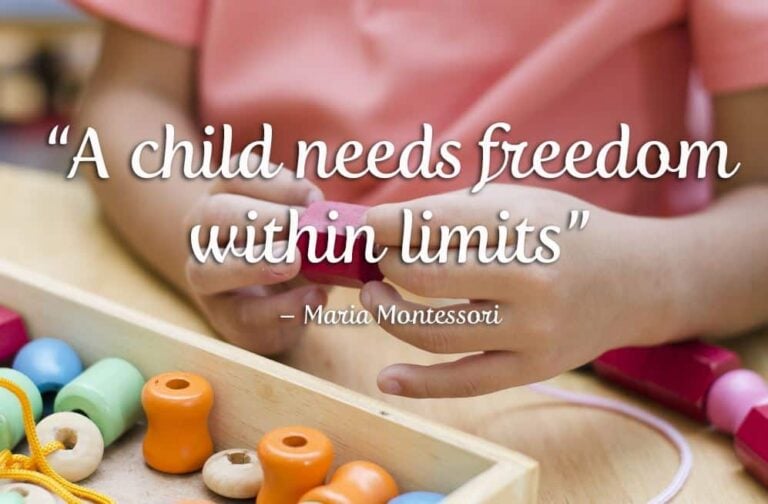
Freedom within limits is a core Montessori concept. For parents that are new to Montessori, this concept may seem contradictory. After all, aren’t limits and rules the opposite of freedom?
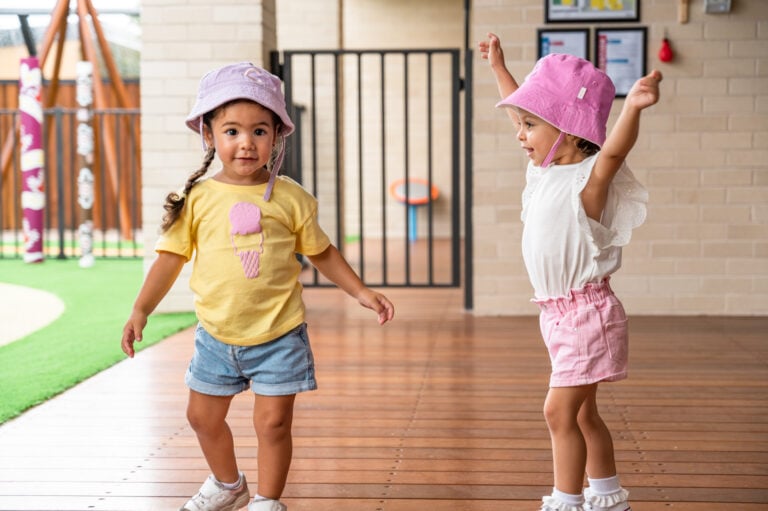
As a parent who is new to Montessori, you may be slightly alarmed when you first hear the term ‘normal’ or ‘normalisation’.

It is common for students (and parents) to experience feelings of anxiety, which is perfectly normal. These feelings are often caused by a fear of the unknown, as the child has no point of reference to draw upon when they are faced with a new environment or experience.

The phrase ‘sensitive periods’ often conjures up thoughts of moody teenagers, but it actually refers to a period of time when a child’s interests are focused on developing a particular skill or knowledge area.

Ensuring that children have the skills they need to succeed in the digital age is one of the most important issues for 21st century education.

Fine motor skills, or dexterity, is something that we often think develops naturally in a child as they grow older. However, there is actually a close relationship between fine motor development and cognitive development.

If you’ve ever been in a Montessori Academy classroom around 9am, you might be surprised by what you see and hear. Young children aren’t usually known for being quiet or overly attentive for long periods of time. However, during the first few hours of the Montessori preschool day, children are highly focused on their own chosen tasks, usually individually, under the guidance of a trained teacher.

The human mind is by nature mathematical. From birth we learn the meaning of phrases such as “how old are you?” and “we’re leaving in one hour.” The capabilities of the mathematics mind are present in the mind of the child. An infant is able to understand the difference between one and many.

The importance of early childhood education to children’s lives is beyond question. A good beginning to life is well recognised as the foundation for future development, health and wellbeing, not only in the early years, but also throughout life.
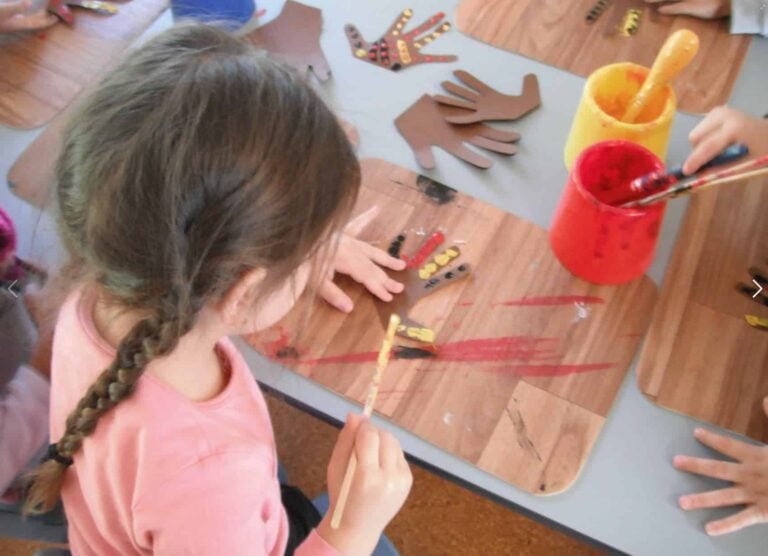
Montessori is a transformative educational model that can make a significant contribution to the educational outcomes for children from all social, cultural, and economic backgrounds.