
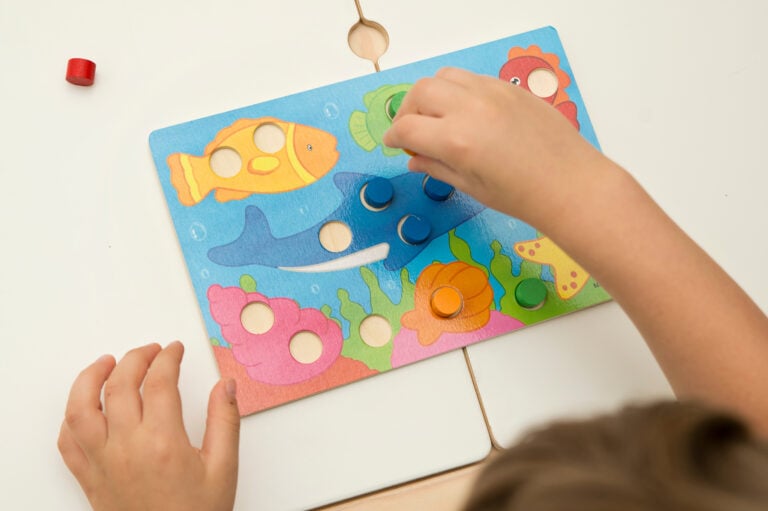
Montessori education is renowned for its hands-on approach, encouraging children to learn by doing and exploring the world around them. One of the key activities used in Montessori classrooms to teach children about animals is the Montessori Zoology Puzzle.

Engaging Remembrance Day Activities for Preschoolers: This article focuses on practical Remembrance Day activities for preschoolers, such as making poppies, creating reflective art, and incorporating quiet time, to help young children connect with the day’s themes.

Montessori Conflict Resolution for Preschoolers: The article explores Montessori’s approach to teaching conflict resolution, focusing on how it helps preschoolers develop emotional intelligence, empathy, and problem-solving skills.

Explaining Remembrance Day to Preschoolers: This article provides age-appropriate strategies for talking to preschoolers about Remembrance Day, focusing on simple language and relatable concepts like peace and gratitude.

Understanding Benefits of Social Development - This article explains the significance of social development in early childhood, defining it as a critical process that involves learning social skills, emotional regulation, and the ability to interact with others.

Homemade Grandparents' Day Gifts - This article offers meaningful DIY gift ideas for preschoolers to create for their grandparents, including handprint art, decorated picture frames, and handmade cards.

Mental Health Benefits of Outdoor Activities - This article explains how spending time in nature supports mental health for both children and adults by reducing stress, improving mood, and fostering family connections.

As Father’s Day approaches, many parents are looking for creative ways to involve their children in the celebration. At Montessori Academy, we believe that nurturing creativity through hands-on activities is vital for a child's development. Crafting personalised gifts for Dad not only makes the day special but also helps children learn valuable skills in line with Montessori principles.

Creating a Montessori-inspired quiet area at home is a wonderful way to provide children with a tranquil space for rest and reflection. Also referred to as "peace corners" or "quiet corners" in our Montessori classrooms, these spaces help children develop self-regulation, emotional intelligence, and a sense of calm. At Montessori Academy, peace corners are integral to our classrooms, encouraging children to take a break and reflect whenever they need to.

Montessori values emphasise independence, respect, and a love for learning. These principles help children develop self-confidence, focus, and responsibility. At Montessori Academy, we believe that extending these values into the home environment can reinforce and enhance your child’s growth.

Emotional intelligence (EI) is all about understanding and managing our emotions and those of others. In young children, developing EI is vital as it helps them build strong relationships, succeed in school, and grow into well-rounded individuals. For preschoolers, learning to recognise and express their emotions can also boost their literacy skills by enhancing their communication abilities.

Staying hydrated is crucial for young children’s health and development. Proper hydration supports digestion, circulation, and temperature regulation. For preschoolers, drinking enough water helps maintain energy levels, aids cognitive function, and supports physical growth. Dehydration can lead to issues like fatigue, irritability, and reduced concentration.