Childcare can be a considerable expense for Australian families. The Australian Government offers financial support through initiatives such as the Child Care Subsidy (CCS) to help reduce the cost of approved care.
The Child Care Subsidy (CCS) is a financial assistance program provided by the Australian Government to help families with the cost of approved childcare. The subsidy is paid directly to childcare providers, reducing the out-of-pocket fees that families pay. The amount you receive depends on factors such as your family’s income, the type of care, and your level of activity (e.g., work, study).
Families enrolled at Montessori Academy can access this subsidy, as our childcare centres are approved providers. Try our child care subsidy calculator to get an estimate of what you might potentially receive.
Understanding child care subsidy eligibility is the first step in determining whether you may qualify for support with childcare costs in 2025. To be eligible for CCS in 2025, you must meet the following criteria:
Knowing how to apply for childcare subsidy can help you navigate the process of seeking support with childcare costs. Here’s a quick step-by-step overview of the CCS application process:
The government’s CCS changes introduced in July 2023 remain in place for 2025. From 7 July 2025, CCS hourly rate caps and family income thresholds will also increase.
For the latest thresholds and rates, visit the Child Care Subsidy information page on Services Australia.
Your CCS entitlement depends on several key factors:
To get a clearer understanding of your potential benefits, use our Child Care Subsidy Calculator for a personalised estimate.
From January 2026, all families in Australia will be eligible for at least 3 days (72 hours) of subsidised early childhood education and care (ECEC) per fortnight, regardless of their activity levels. This means more affordable childcare and preschool access for thousands of families, supporting both early learning and cost-of-living relief.
Families currently eligible for more hours (due to work or exemptions) will continue receiving those benefits. First Nations families will remain eligible for up to 100 subsidised hours per fortnight.
This change will especially support families who previously received fewer hours due to work or study activity requirements.
Here’s how much families could save each week and annually with the new 3-Day Childcare Guarantee, based on average childcare fees:
| Annual Income | Better Off Per week | Annual Savings (50 weeks) |
| $90,000 | $230 | $11,400 |
| $120,000 | $220 | $10,630 |
| $140,000 | $200 | $10,110 |
These savings are based on a child attending 3 days (36 hours) of childcare per week at a provider charging the average Centre-Based Day Care hourly rate.
Please note: The 3-Day Guarantee may not be available at all childcare providers. Providers must meet specific eligibility criteria to participate, and not all may choose to opt in.
We’re excited about what the 3-Day Guarantee could mean for eligible families. As more details become available, we’ll continue to update this page to help families understand how they can benefit.
The CCS covers up to 42 absence days per child, per financial year without the need for evidence. These can include public holidays if they fall on a day your child is usually scheduled to attend.
Once the 42 allowable absences are used, additional absences may still be covered, but only under certain circumstances—such as illness (with a medical certificate) or if your childcare service is closed on a day your child would normally attend.
Important: Public holidays are not considered a reason for additional absences. If your child has already used their 42 days, CCS will not cover any public holiday absences beyond that limit.
Childcare costs in Australia can be significant, making it challenging for some families to afford the care their children need. The CCS helps ease this financial burden, allowing families to access quality care while supporting parents’ work, study, or volunteering activities. It also contributes to the development and wellbeing of children by providing access to early childhood education and care, which is essential for their growth and future success.
Support for Families
Our team at Montessori Academy is here to support you. If you’re unsure about your eligibility or how to claim CCS, speak with our Enrolments Team. We’ll guide you through the process to ensure your entitlements are applied correctly.
Understanding the Child Care Subsidy can significantly reduce your childcare expenses and make early education more accessible. At Montessori Academy, we’re committed to helping families navigate the childcare enrolment process. If you have any questions about how to claim CCS benefits in our long daycare centres, feel free to contact us.
This page was last updated on May 2025. Any changes to the Child Care Subsidy after this date may not be reflected. Please refer to the Services Australia’s website for the latest updates for travel outside Australia.
Childcare costs in Australia can be significant, making it challenging for some families to afford the care their children need. The subsidy helps ease this financial burden, allowing families to access quality care while supporting parents’ work, study, or volunteering activities. It also contributes to the development and wellbeing of children by providing access to early childhood education and care, which is essential for their growth and future success.
Support for Families
Don’t forget to check out the Child Care Subsidy Estimator to get an idea of how much you might receive. If you have any questions, please contact us.
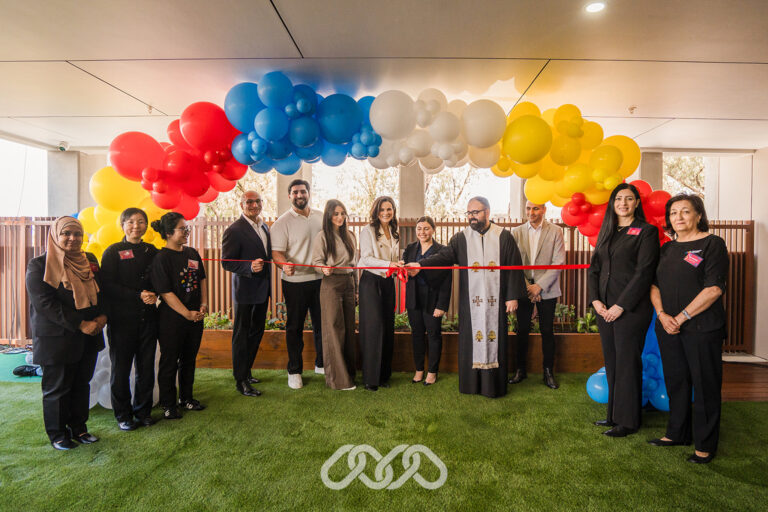
On Saturday 28th February, Montessori Academy celebrated the grand opening of Riverwood Childcare and Early Learning Centre.
Learning how to go to the toilet or ‘potty-training’ a natural stage of your child’s emerging independence. The Montessori approach to toilet training your child is a three-step process that is grounded in respect and gentle guidance.
The Difference Between Montessori and Reggio Emilia Explained When families compare Reggio Emilia vs Montessori, they are often choosing between two respected approaches to early childhood education that prioritise the child as an active participant in learning. Both philosophies value curiosity, respect, and meaningful engagement, yet they differ in how learning is structured, how educators guide children, and how classrooms are designed. In addition, these approaches reflect distinct educational philosophies that influence not only what children learn but also how they experience learning every day. Montessori education emphasises independence, self-discipline, and mastery of practical and academic skills, allowing children to progress at their own pace through carefully designed materials. Reggio Emilia, on the other hand, encourages collaborative exploration, creative expression, and project-based inquiry, highlighting...
On Saturday 28th February, Montessori Academy celebrated the grand opening of Riverwood Childcare and Early Learning Centre.
Learning how to go to the toilet or ‘potty-training’ a natural stage of your child’s emerging independence. The Montessori approach to toilet training your child is a three-step process that is grounded in respect and gentle guidance.
The Difference Between Montessori and Reggio Emilia Explained When families compare Reggio Emilia vs Montessori, they are often choosing between two respected approaches to early childhood education that prioritise the child as an active participant in learning. Both philosophies value curiosity, respect, and meaningful engagement, yet they differ in how learning is structured, how educators guide children, and how classrooms are designed. In addition, these approaches reflect distinct educational philosophies that influence not only what children learn but also how they experience learning every day. Montessori education emphasises independence, self-discipline, and mastery of practical and academic skills, allowing children to progress at their own pace through carefully designed materials. Reggio Emilia, on the other hand, encourages collaborative exploration, creative expression, and project-based inquiry, highlighting...