
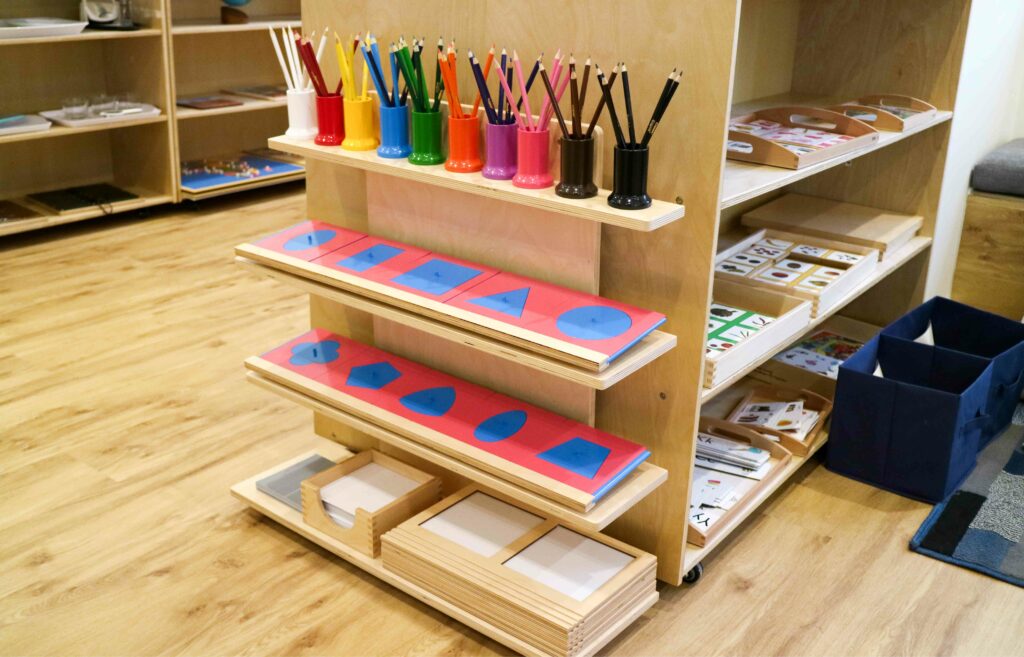
Material Spotlight: Montessori Metal Insets – Shapes & Names
The Metal Insets are part of the Montessori Language Curriculum. They are a learning tool used to prepare children for writing.

The Importance Of Montessori Independence For Infants
Supporting children’s independence is one of the most consistent themes in Montessori education. But why is teaching independence important for infants?

Montessori Academy Opens in Historic Engadine Boys’ Town Hospital
On Saturday 22nd July, Engadine Montessori Academy opened its doors for a Grand Opening celebration with more than 300 local families.
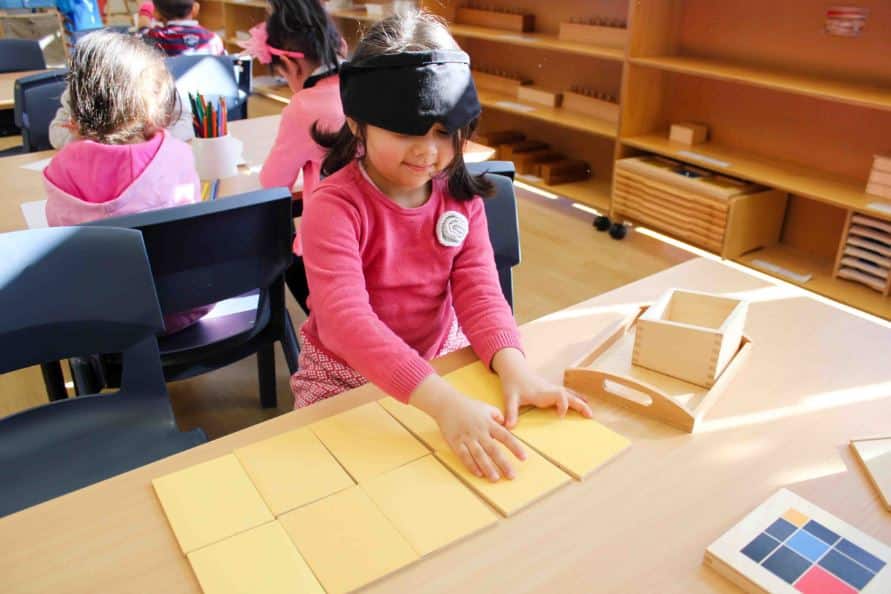
Material Spotlight: Montessori Touch Tablets
The Touch Tablets form part of the Montessori Sensorial Curriculum, which aims to teach children how to classify items within their environment using the five senses. The Touch Tablets focus on the tactile sense of touch, and isolate the concepts of rough and smooth.

Montessori At Home – Setting Up A Home Learning Environment
Thinking about setting up a Montessori home learning environment? This is a fantastic way to reinforce key Montessori principles, foster positive educational habits, and participate in your child’s developmental journey at home.

Why Is My Child Wearing Shoes On The Wrong Feet?
This is a common question in any Montessori toddler or preschool classroom. It often comes at pick up time, when families express concern that their child’s teachers may have incorrectly put on their child’s shoes out of a lack of concern or care. In fact, this couldn’t be further from the truth.
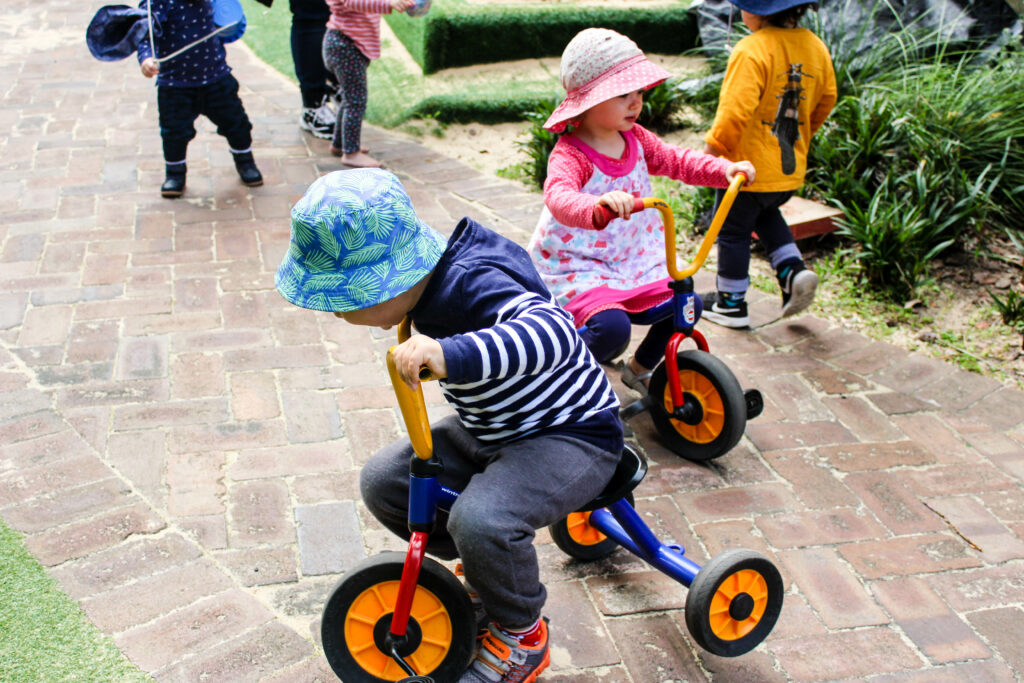
The Benefits Of Outdoor Play In Winter
With the chill of winter settling in, it is timely to discuss the importance of outdoor play. During the cooler months, it is common for children to be restricted to indoor play at home, and only permitted to play outdoors when it is warm and sunny.
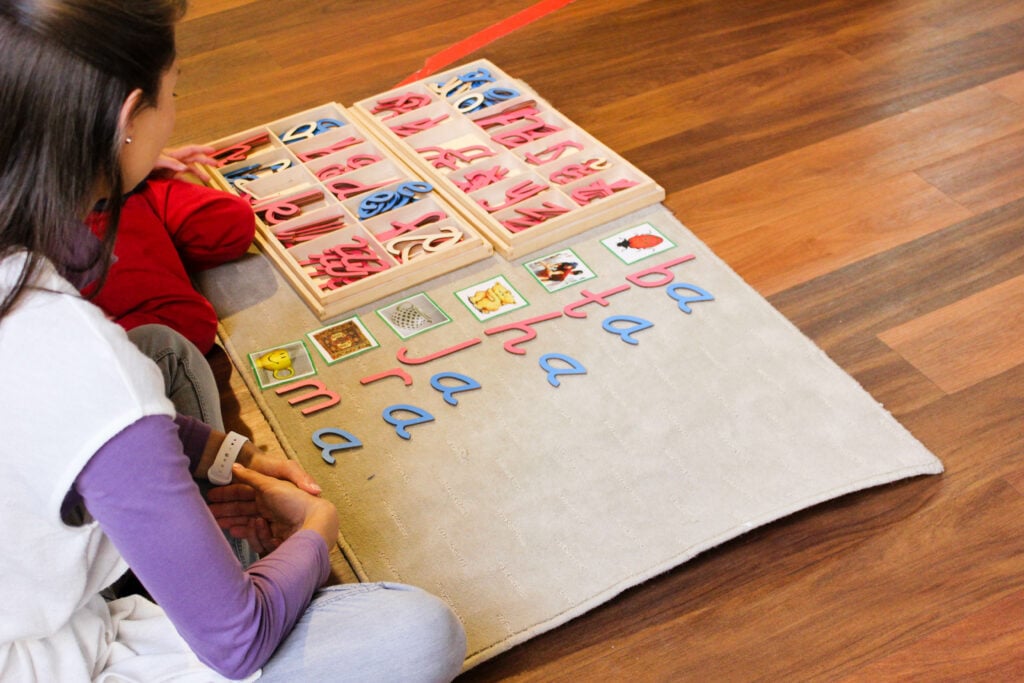
Material Spotlight: Montessori Moveable Alphabet
The Moveable Alphabet is a key part of the Montessori Language Curriculum. The material primarily teaches children how to develop their knowledge of the alphabet, and thus written language skills.
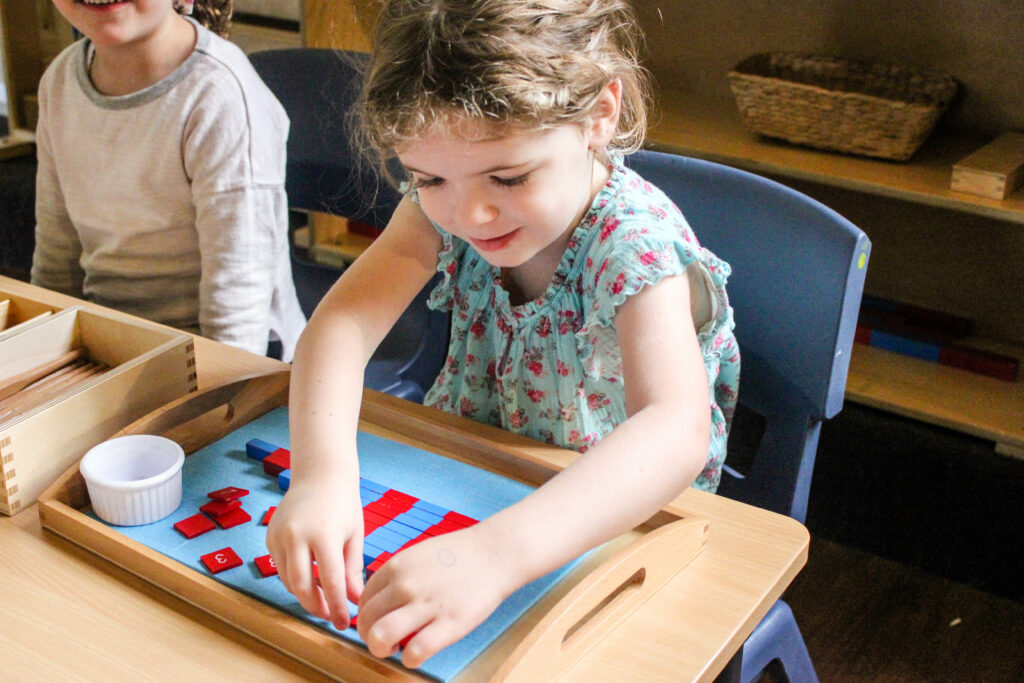
Settling Into The Montessori Environment: Stages of Normalisation
Joining a Montessori Preschool is an exciting time in your child’s development and education. Settling into the Montessori environment is a process characterised by three stages of development, which Doctor Maria Montessori termed: ‘Normalisation.’
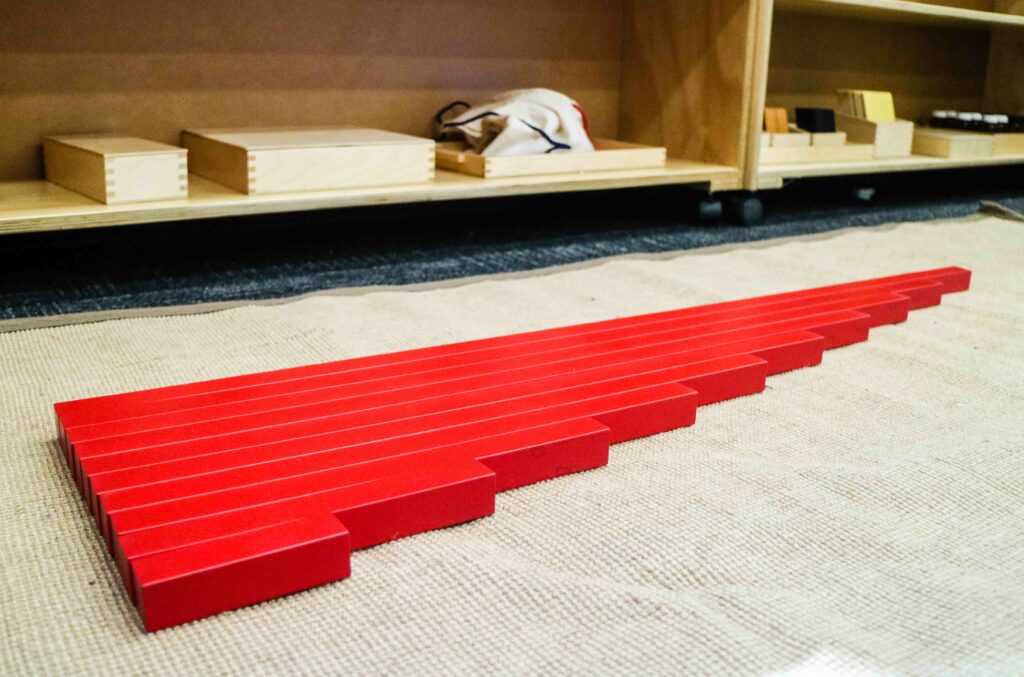
Material Spotlight: Montessori Red Rods
The Red Rods are part of the Montessori Sensorial Curriculum. It is common for sensorial materials to isolate one quality, such as weight, to assist the child in better understanding their environment.
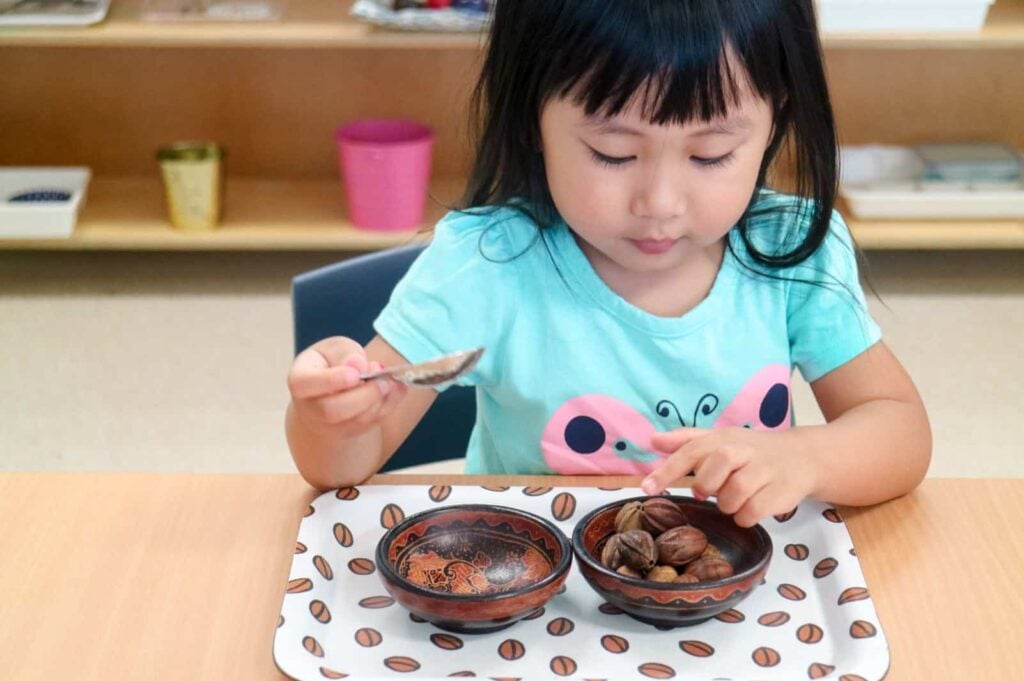
The Importance Of Repetition In Early Childhood
Have you heard the adage: “practice makes perfect?” In early childhood, repetition forms the basis for learning, skill development, and accomplishment.

Montessori Philosophies – What Is Cosmic Education?
Cosmic Education is a cornerstone of the Montessori Philosophy. At its core, Cosmic Education tells the story of the interconnectedness of all things. It describes the role of education as comprehensive, holistic and purposeful; to encompass the development of the whole person within the context of the universe. It also introduces the possibility that humanity might have a “cosmic task,” to better the world for future generations.