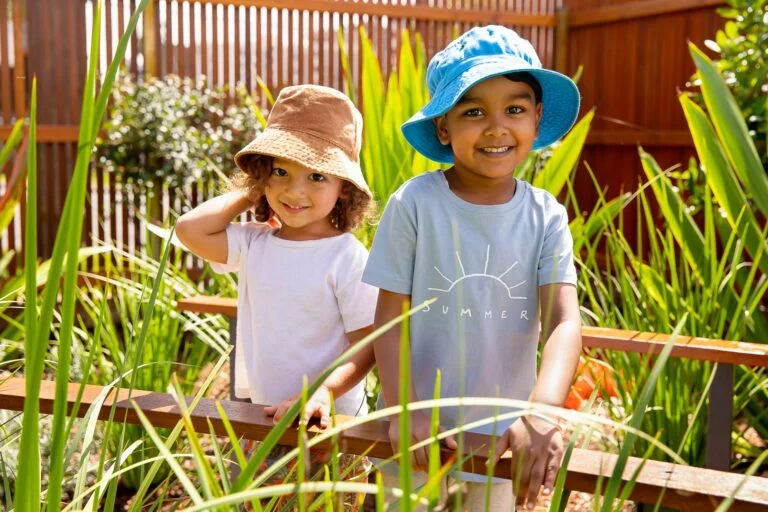
Babies and young children have very sensitive skin and are at a greater risk of sunburn and skin damage from the sun’s ultraviolet (UV) radiation. While vitamin D is essential for healthy muscles, bones, and teeth, sun exposure can be harmful to your little one. Overexposure to sunlight can lead to skin damage, sunburn, eye damage, weakened immunity, and a greater risk of skin cancer later in life.
Because children may not recognise when they are getting too hot or thirsty, protecting them from UV rays and keeping them hydrated are key to ensuring their well-being. Whether you are heading out for a summer holiday or sending them to childcare, practicing consistent sun safety helps you enjoy outdoor activities with total peace of mind.
Here are a few practical tips to help ensure your children stay shielded, healthy, and comfortable during outdoor adventures.
What is Sun Safety?
At its core, sun safety is a set of daily practices designed to protect our skin and eyes from the damaging effects of the sun’s ultraviolet (UV) radiation. Sun safety isn’t just about avoiding a sunburn on a scorching summer day; it’s about managing UV exposure year-round. In Australia, the gold standard for protection follows five simple steps:
-
Slip on protective clothing.
-
Slop on SPF 30 or higher sunscreen.
-
Slap on a broad-brimmed hat.
-
Seek shade.
-
Slide on UV-protective sunglasses.
Why is Sun Safety Important for Children?
While sun safety matters for everyone, it is even more important for young children and preschoolers for two major reasons:
1. Their skin is incredibly delicate
A child’s skin is thinner and more sensitive than an adult’s, meaning it burns much faster and deeper. Early childhood exposure and severe sunburns significantly increase the risk of skin problems and melanoma later in life.
2. They don’t have an “internal alarm” yet
Unlike adults, young children rarely understand when they are getting too hot, burning, or becoming dangerously dehydrated. They get caught up in the joy of play! As parents and educators, taking proactive steps like applying sunscreen, providing shade, and enforcing water breaks is up to us to ensure they can experience the outdoors safely.
Choosing Protective Clothes
Clothing is one of the easiest and most effective layers of defence against ultraviolet radiation. Choose breathable, lightweight fabrics that keep children cool in the heat while blocking UV rays.
-
Look for UPF Ratings: Choose fabrics with UPF (ultraviolet protection factors) with a 50+ rating, if possible. Alternatively, select materials that are tightly woven.
-
Maximise Coverage: Choose clothing that covers the chest, neck, shoulders, and back. Look for items that have at least elbow-length sleeves and knee-length legs, though full-length pants and shirts provide optimal protection.
-
Wear the Right Hat: Choose a wide-brimmed hat or a hat with a flap at the back to properly shade your child’s face, ears, and neck. Let your child pick their favourite style to make wearing it fun and engaging!
-
Protect Their Eyes: Safeguard your child’s eyes with sunglasses that offer proper UV protection.
-
Check Daycare Policies: Many early learning centres and preschools specify the clothing carers should pack. If your child attends daycare, check their sun protection policy to ensure you choose appropriate daily clothing.
Many early learning centres and preschools specify the clothing carers should pick before sending their children in. If you have a child going to daycare, check what the sun protection policy is and ensure you choose appropriate clothing.
Sunscreen Guide for Babies and Toddlers
-
Babies Under Six Months: Infants have very absorbent skin, so it is recommended to avoid the use of sunscreen entirely. The best protection for them is to stay in the shade, cover their skin with protective clothing, and wear a broad-brimmed hat.
-
Preschoolers and Older Children: When choosing a sunscreen for a child going to preschool, look for a travel-friendly, broad-spectrum children’s or sensitive formula with an SPF of 30 or higher.
-
Application is Key: Apply sunscreen generously 20 minutes before heading outdoors, covering easily missed areas like the ears, the back of the neck, and the tops of feet. Reapply every two hours—and immediately after swimming or sweating. Always do a small patch test on your little one’s skin first to check for any sensitivities.
Utilising Smart Shade Solutions
Where possible, try to keep your baby in the shade and away from direct sunlight. Most childcare centres incorporate cool, shady spots in their landscape design to provide sun-safe areas for children to play outside. However, UV radiation can sometimes also penetrate shady areas, or be reflected off surfaces such as water, sand, and concrete. So, it is best to use protective clothing too. Also, remember broad-brimmed hats, sunscreen, and sunglasses.
However, UV radiation can still penetrate shady areas or reflect off surfaces like water, sand, and concrete. Because of this, shade should always be used in combination with protective clothing, hats, sunglasses, and sunscreen.
If you are holidaying or away from natural shade, consider these portable solutions:
-
Beach Umbrellas & Pop-Up Tents: Look for compact, lightweight designs that are simple to set up and take down, providing an instant spot for children to rest and cool off.
-
Pram Protection: Use your pram’s built-in hood, canopy, or an additional mesh cover. Avoid covering a pram with a blanket or muslin wrap, as this traps heat inside and can cause dangerous discomfort or overheating.
-
Car Travel: Use window sunshades to protect your child from UV rays during car trips.
Staying Hydrated in the Heat
Proper hydration is essential for keeping children healthy and energised in the summer heat.
-
Pack water bottles every time you head out, and encourage children to drink frequently throughout the day, even if they don’t feel thirsty.
-
Consider using insulated water bottles to keep drinks cool and refreshing.
-
If your child is a reluctant drinker, adding a slice of fresh fruit to their water can make staying hydrated more appealing.
Children and Vitamin D
Vitamin D is important for general health, particularly for calcium absorption and bone health. While we get most of our vitamin D through skin exposure to the sun, babies generally get enough vitamin D from breastmilk or fortified formula and do not need direct sunlight.
Older children may only need a few minutes of sunshine daily to maintain healthy levels. Vitamin D is also found in foods like fatty fish, seafood, and mushrooms. If you are ever unsure whether your child is getting enough vitamin D, talk to your GP or paediatrician for tailored advice.
Sun Safety Checklist for Families
Being prepared with a compact sun-safety kit ensures your outdoor adventures remain stress-free. Before heading out, make sure you have packed:
-
[ ] Child-safe sunscreen: Broad-spectrum SPF 30+ (applied before leaving and ready for reapplication).
-
[ ] Protective clothing: Lightweight, breathable, UV-protective shirts and long pants.
-
[ ] Wide-brimmed hats: Shading the face, neck, and ears.
-
[ ] Sunglasses: With UV protection to safeguard their eyes.
-
[ ] Insulated water bottles: To keep water cool and inviting.
-
[ ] Portable shade: A pop-up tent, beach umbrella, or pram canopy.
-
[ ] Cooling snacks: Hydrating fruits (like watermelon or oranges) or ice packs to keep cool.
How Montessori Academy Promotes Sun Safety
At Montessori Academy, we prioritise the health and well-being of every child by integrating active sun safety into our daily routines.
Our early learning centres feature purposely designed, shaded outdoor play spaces, and our educators actively teach children sun-safe habits. We consistently monitor local UV levels and temperatures throughout the day, adjusting outdoor schedules to minimise peak sun exposure.
To keep children healthy and comfortable, we enforce regular water breaks, offer water with every meal, and closely monitor each child’s daily water intake. These measures ensure that children can safely explore, learn, and thrive in a secure environment.
Be sure to check the specific sun safety policies at your local Montessori Academy Childcare centre before your child’s first day!