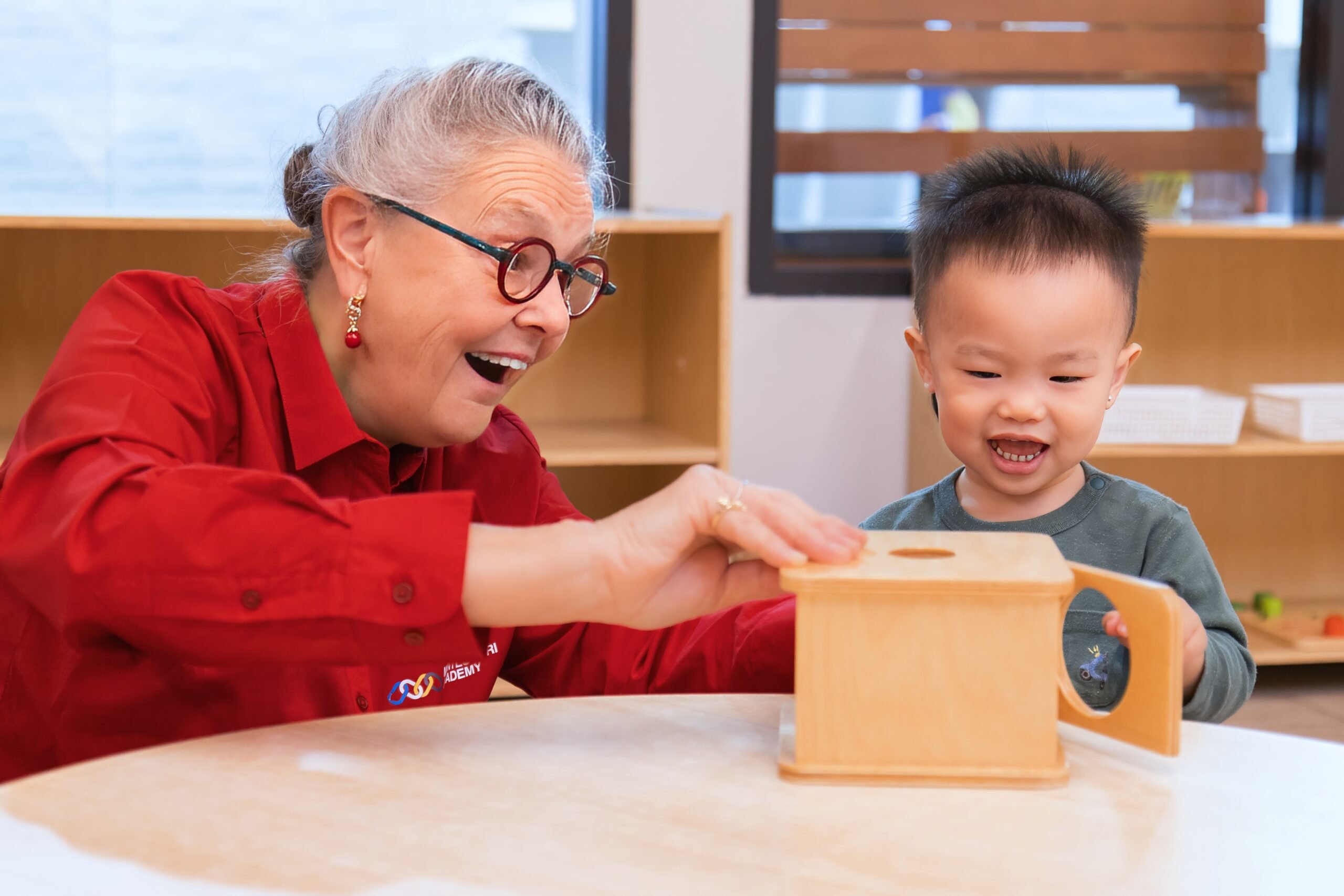
Toddler Learning Goals
Can identify common objects, body parts, and colours by name
Recognises numerals and counts by rote
Participates in physical activities
Ability to use the pincer grip when writing and drawing
Shows self-confidence and interacts well with others
Speaks in sentences and expresses thoughts and feelings
Distinguishes between sights, smells, tastes and sounds
Demonstrates problem-solving skills and shows curiosity
Can identify common objects, body parts, and colours by name
In toddler learning, the identification of common objects, body parts, and colours by name is facilitated through tools like Language Cards, Object Boxes, and Colour Boxes, which provide visual and tactile stimuli to enhance vocabulary acquisition and conceptual understanding, fostering early language development and cognitive growth.
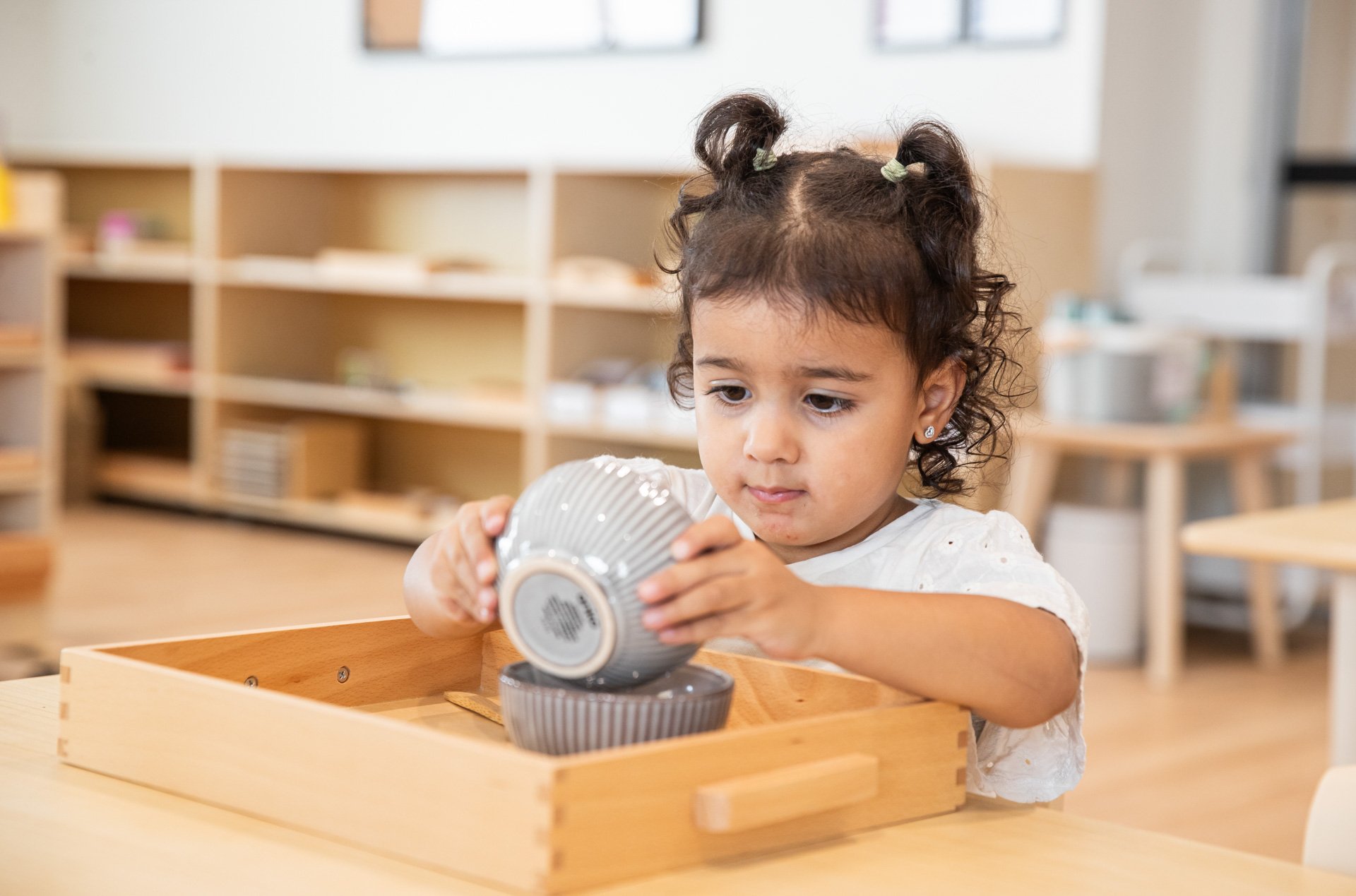
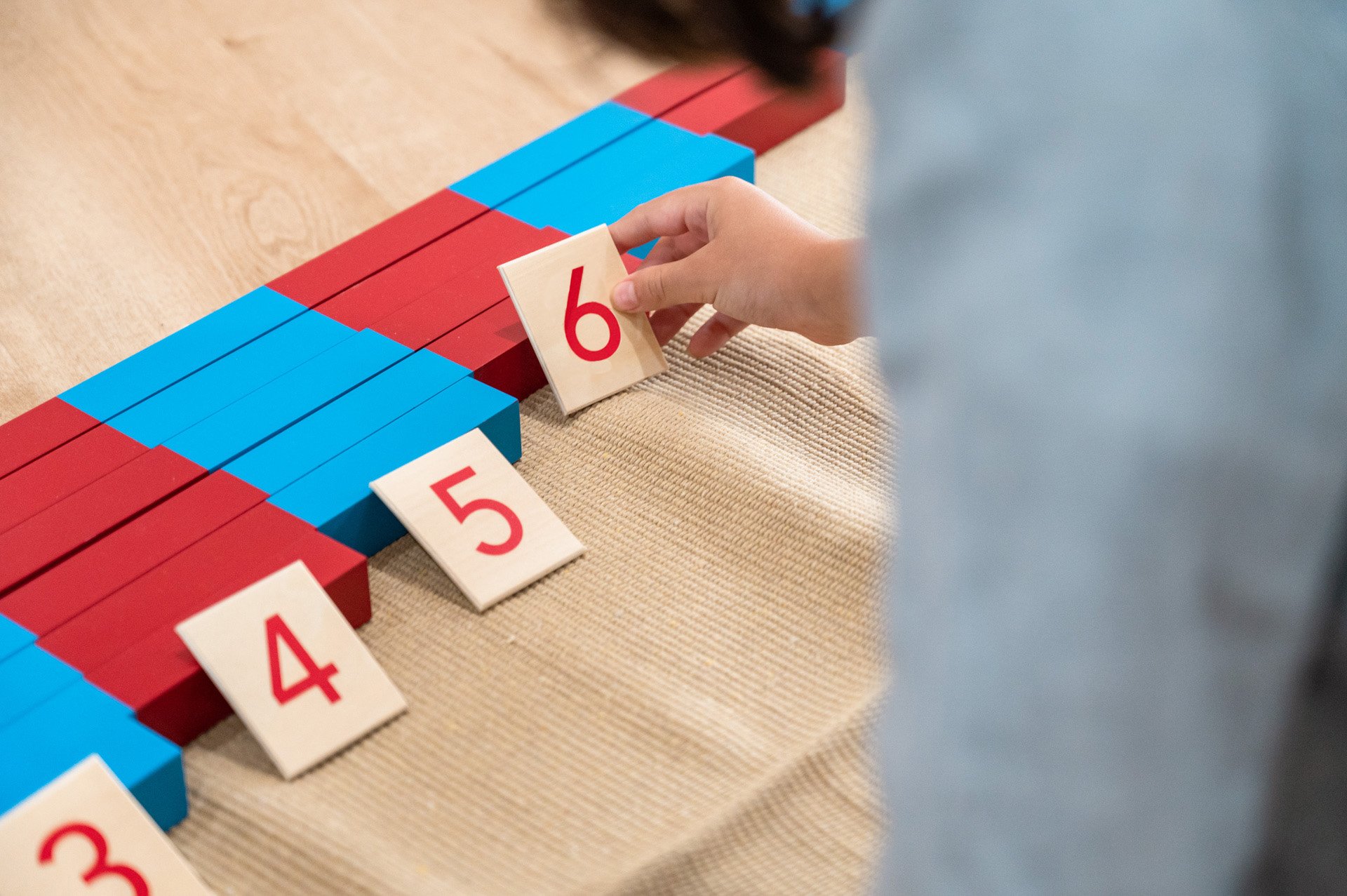
Recognises numerals and counts by rote
Preschoolers learn to recognise numerals and count by rote through activities like using Sandpaper Numbers, Number Rods, Spindle Box, and Numbers & Counters, which provide tactile experiences and visual aids to reinforce numerical concepts, fostering early numeracy skills and a foundational understanding of quantity and number recognition.
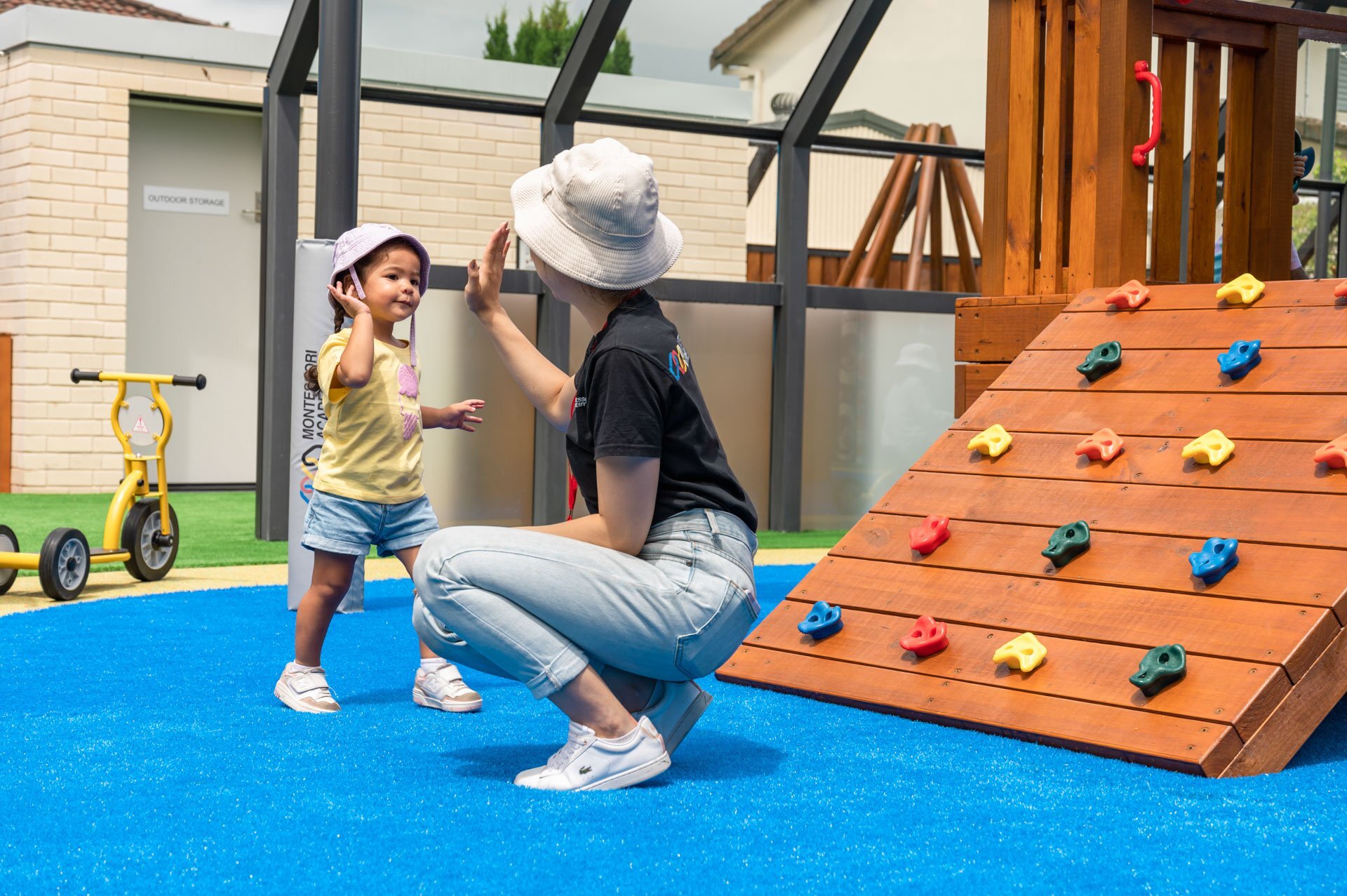
Participates in physical activities
In toddler learning, participation in physical activities is encouraged through outdoor play and music & movement programs, providing opportunities for children to develop gross motor skills, coordination, and spatial awareness in a fun and stimulating environment, fostering physical development and a love for active play from an early age.
Ability to use the pincer grip when writing and drawing
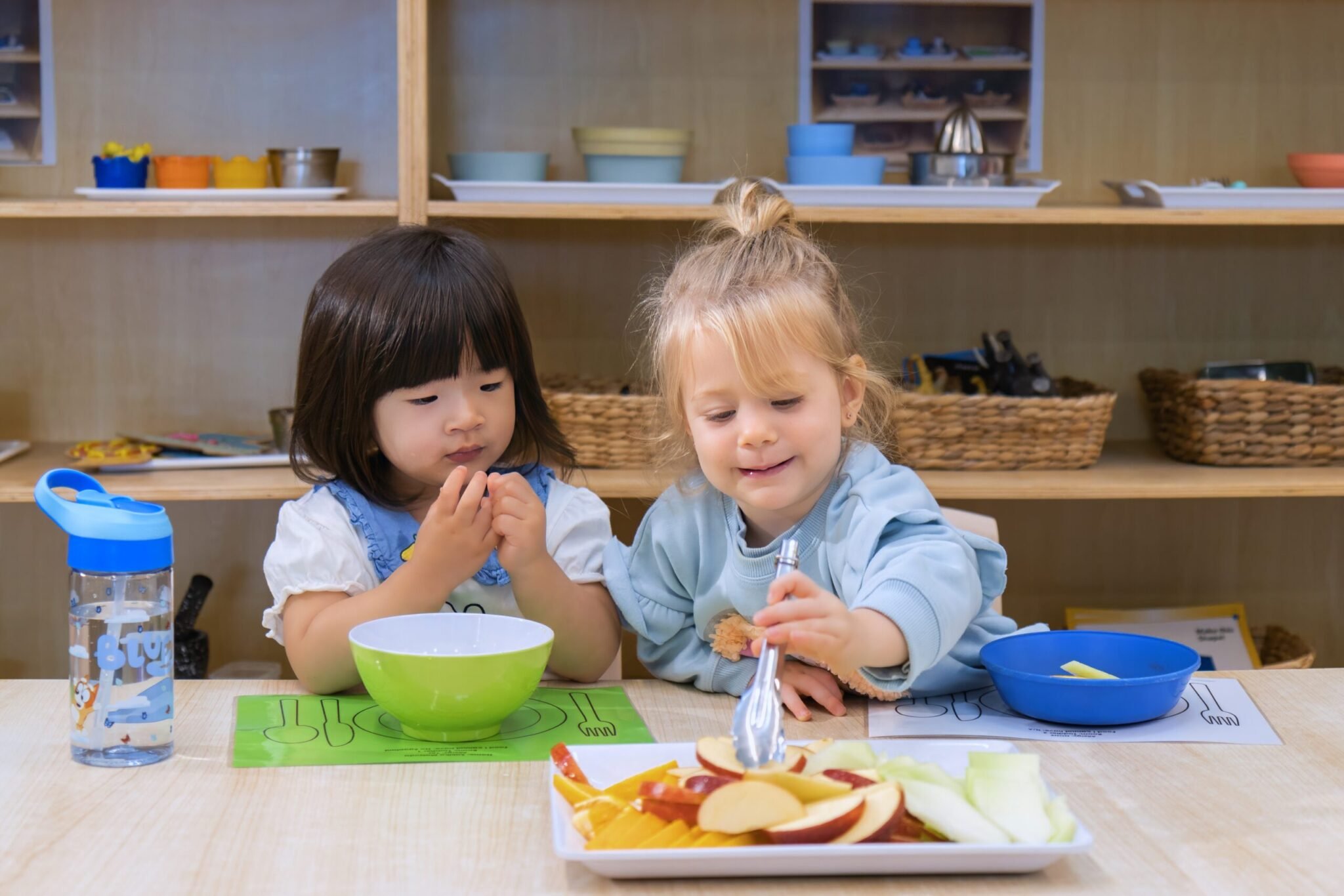
Practical Life activities in toddler learning facilitate the development of the pincer grip for writing and drawing, engaging children in tasks such as using tongs, tweezers, and small utensils, which strengthen fine motor skills and encourage the use of the pincer grip essential for precise manipulation of writing and drawing instruments.
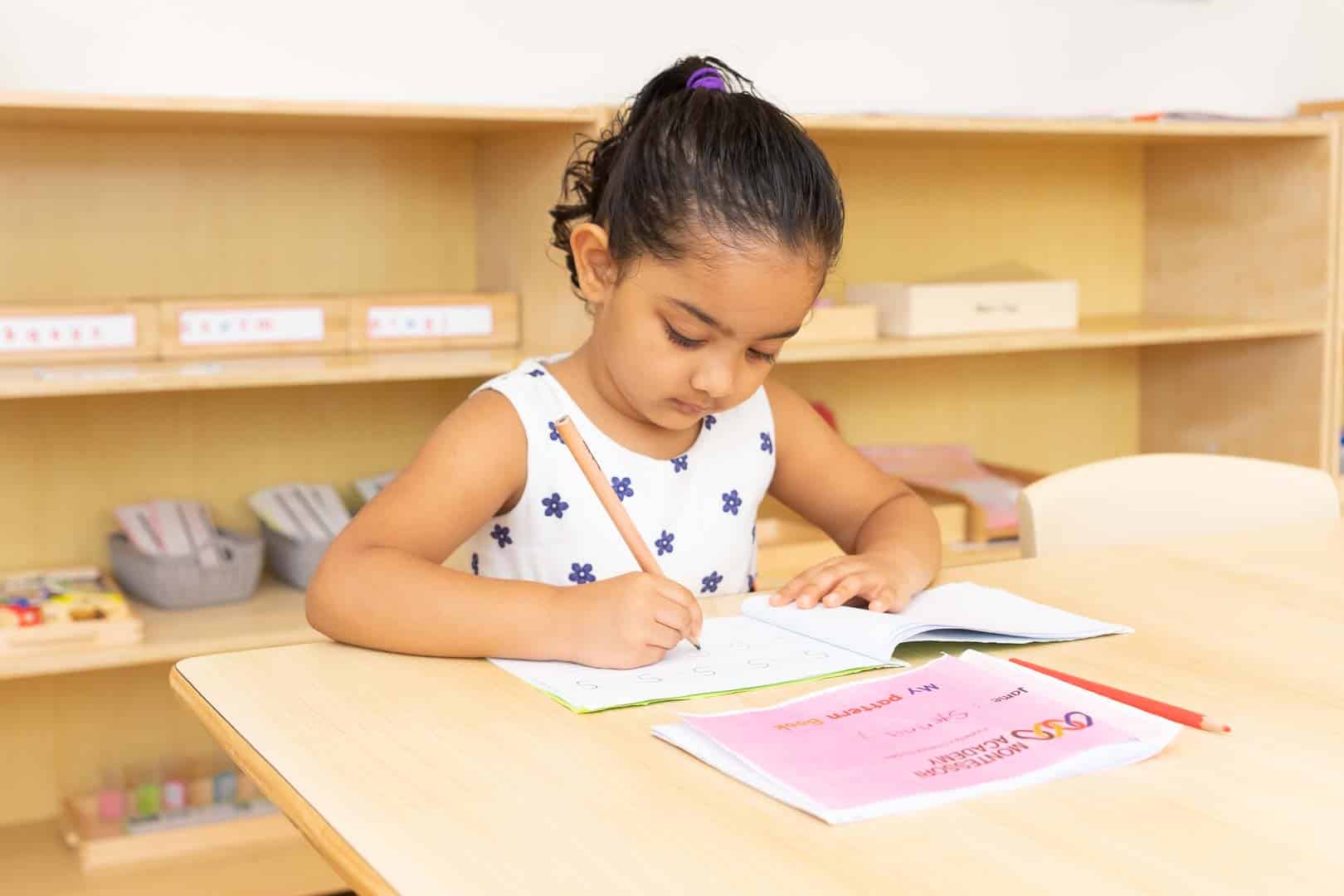
Shows self-confidence and interacts well with others
In preschool learning, the development of self-confidence and positive social interactions is fostered through a supportive environment that encourages exploration, risk-taking, and respectful communication, where children engage in collaborative activities, express themselves freely, and receive encouragement and validation from educators and peers alike.
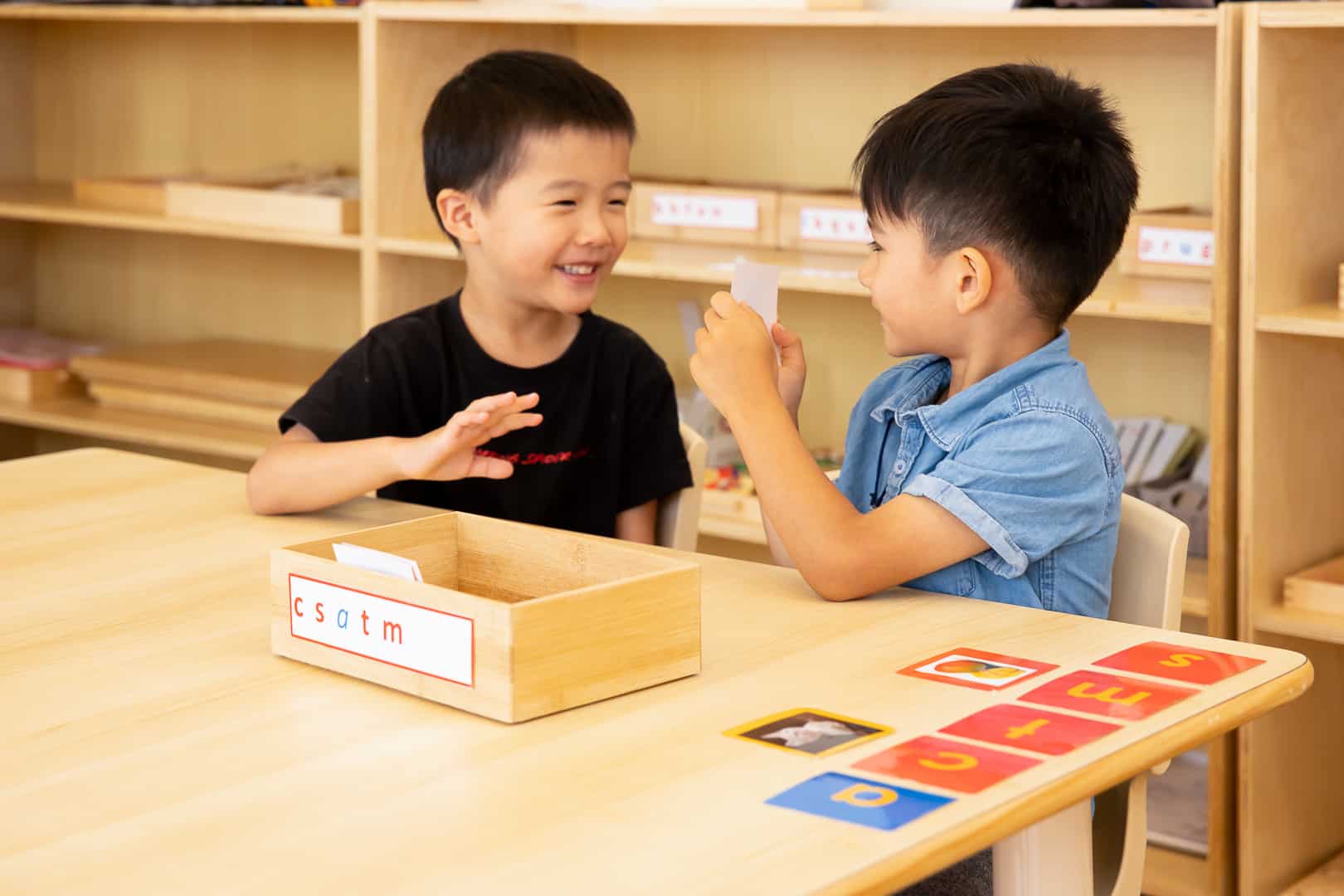
Speaks in sentences and expresses thoughts and feelings
The Montessori Language Curriculum supports toddlers in speaking in sentences and expressing thoughts and feelings through group activities and projects, providing opportunities for language development through meaningful interactions, storytelling, and collaborative exploration, fostering communication skills and emotional expression in a supportive and engaging learning environment.
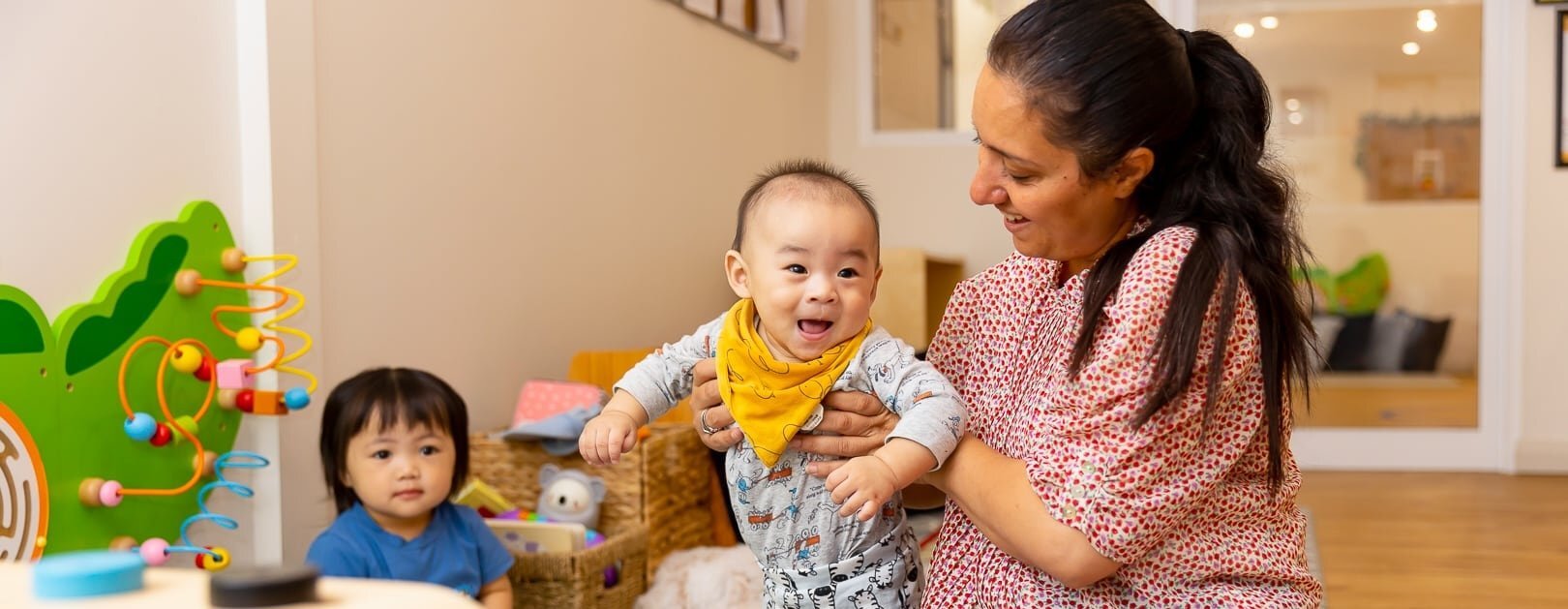
Distinguishes between sights, smells, tastes and sounds
The Montessori Sensorial Curriculum facilitates toddlers in distinguishing between sights, smells, tastes, and sounds through specialized activities and materials designed to engage the senses, enabling them to explore and differentiate sensory stimuli, fostering sensory awareness and perceptual development at an early age.
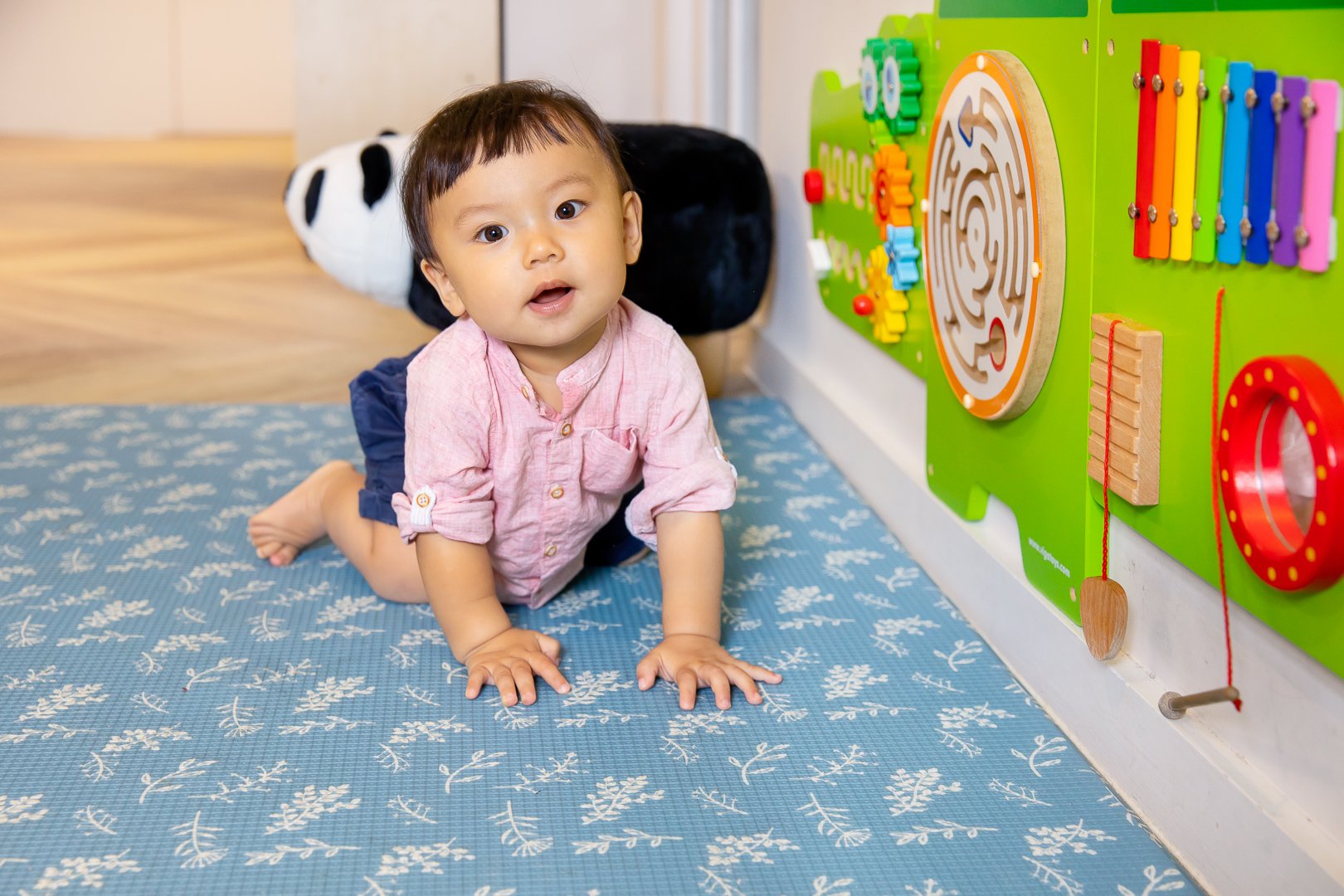
Demonstrates problem-solving skills and shows curiosity
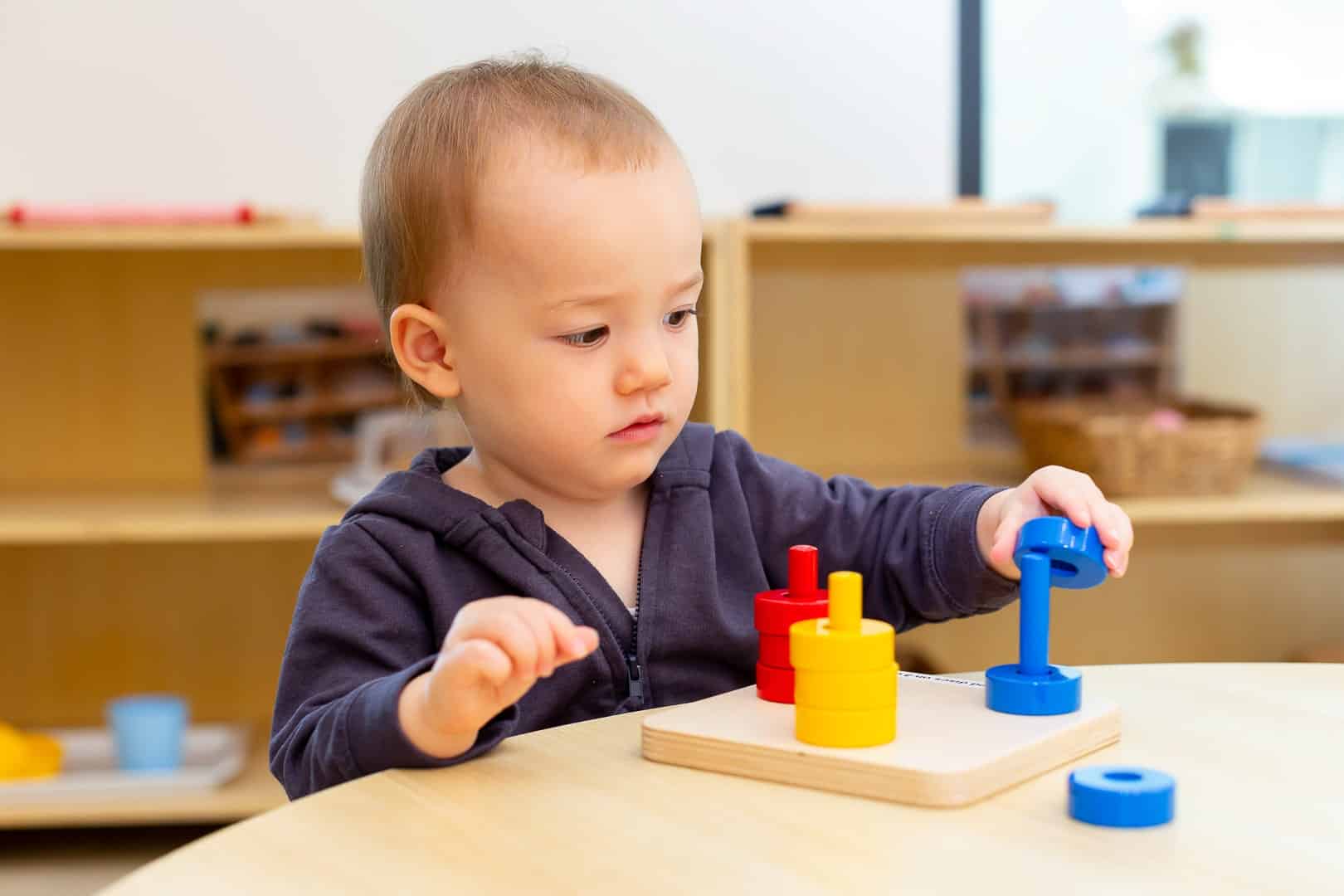
Toddler learning fosters problem-solving skills and curiosity through independent activities, granting freedom to engage, express, and repeat tasks, encouraging exploration and discovery as children navigate challenges and satisfy their innate curiosity through hands-on experiences.
Book your tour
Montessori is a child-centered approach that nurtures curiosity, independence, and confidence from the very first years. Through hands-on activities, real-life experiences, and playful problem-solving, toddlers explore, learn, and grow at their own pace, building the foundations for lifelong learning and wellbeing.
0-2
Infant Program
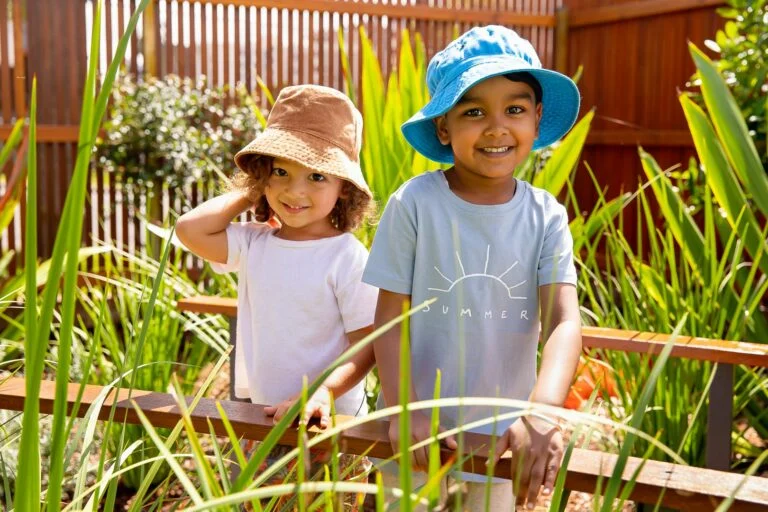
The Infant Program is designed to meet the developmental needs and interests of children aged 0-2. Children learn through movement and exploration.
3-6
Preschool Program
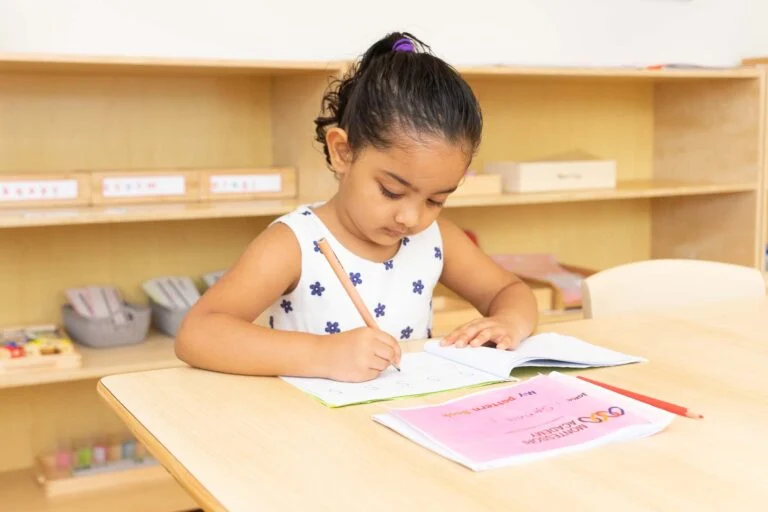
The Montessori Preschool Program is a structured academics and wellbeing program that prepares children for their transition to school.
4-6
School Readiness
Our School Readiness and Kinder Preparation Program combines school-styled workbooks with practical school readiness skills.
0-2
Infant Program
The Infant Program is designed to meet the developmental needs and interests of children aged 0-2. Children learn through movement and exploration.
3-6
Preschool Program
The Montessori Preschool Program is a structured academics and wellbeing program that prepares children for their transition to school.
4-6
School Readiness
Our School Readiness and Kinder Preparation Program combines school-styled workbooks with practical school readiness skills.
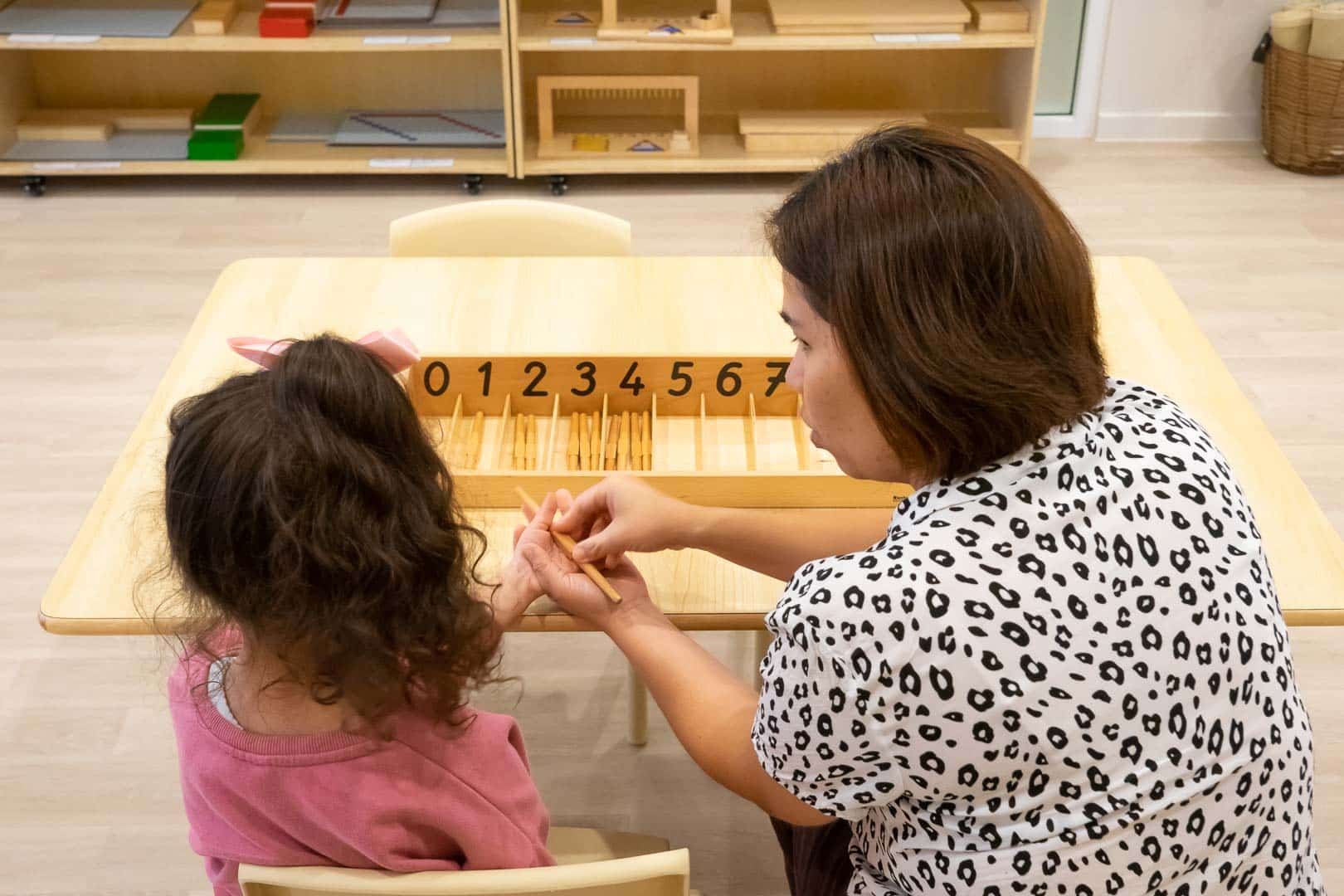
The Spindle Box clarifies the concept that numeral symbols represent certain quantities. It also introduces the natural sequence of numbers and the concept of zero and its symbol.
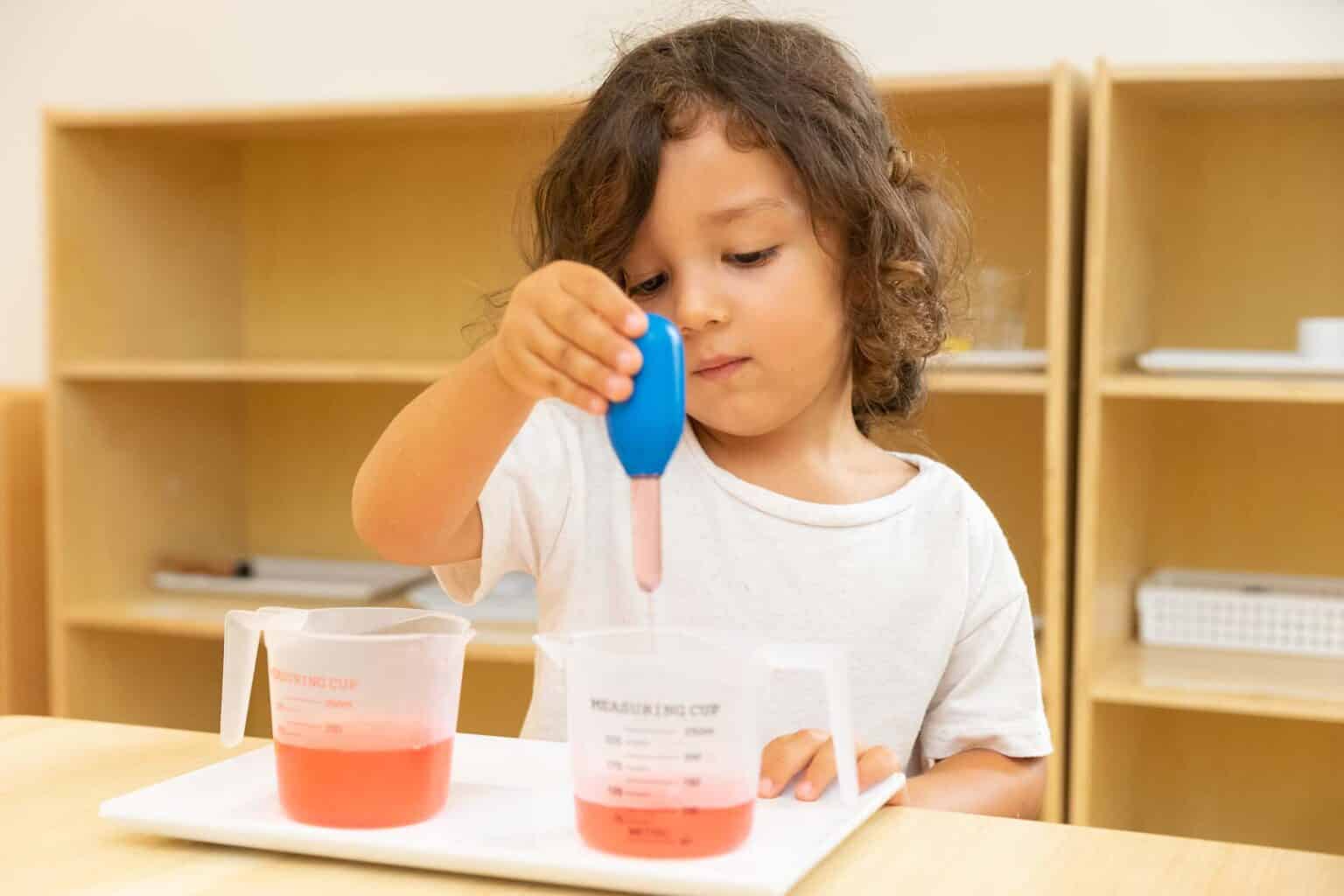
Tranferring water with a dropper teaches children concentration and care while indirectly preparing them for measurement.
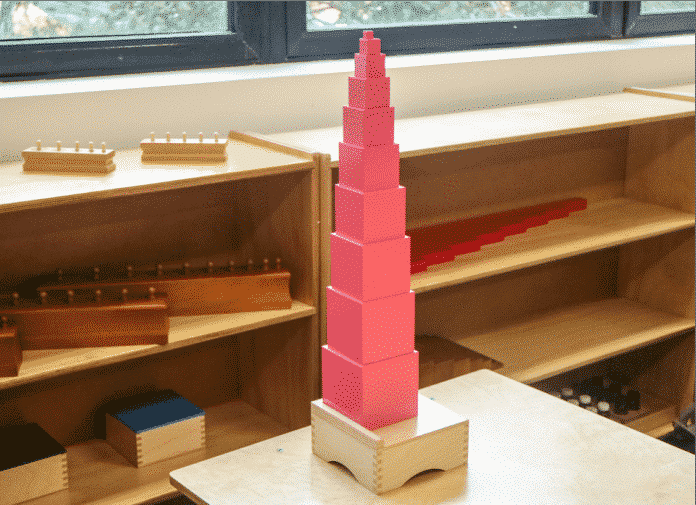
The Pink Tower teaches children to visually discriminate by dimension. It also develops fine motor skills, introduces the concept of the base ten, and indirectly prepares children for the decimal system.
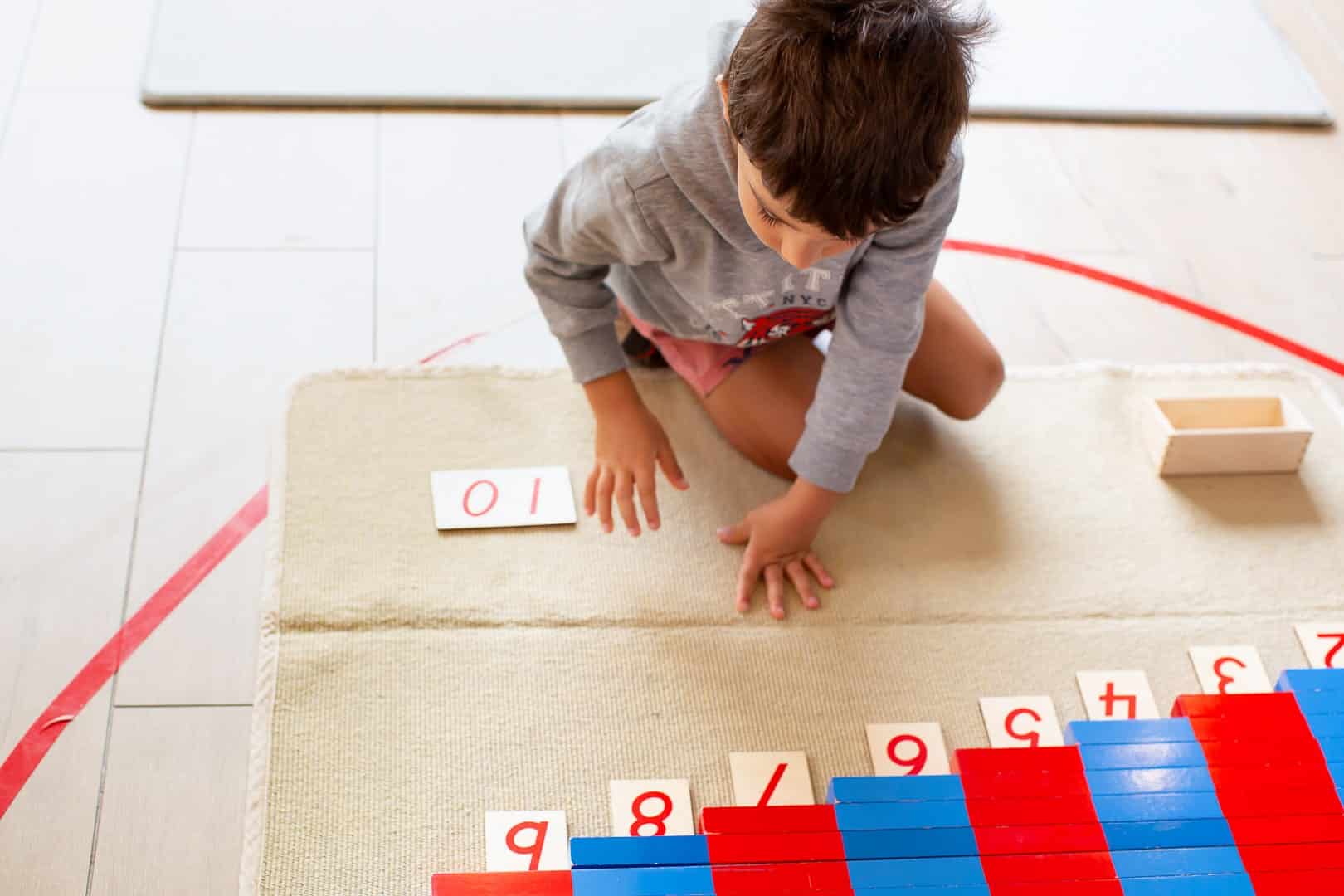
The Number Rods help children learn the names of numbers and their sequence in order to relate the spoken number to its corresponding quantity.
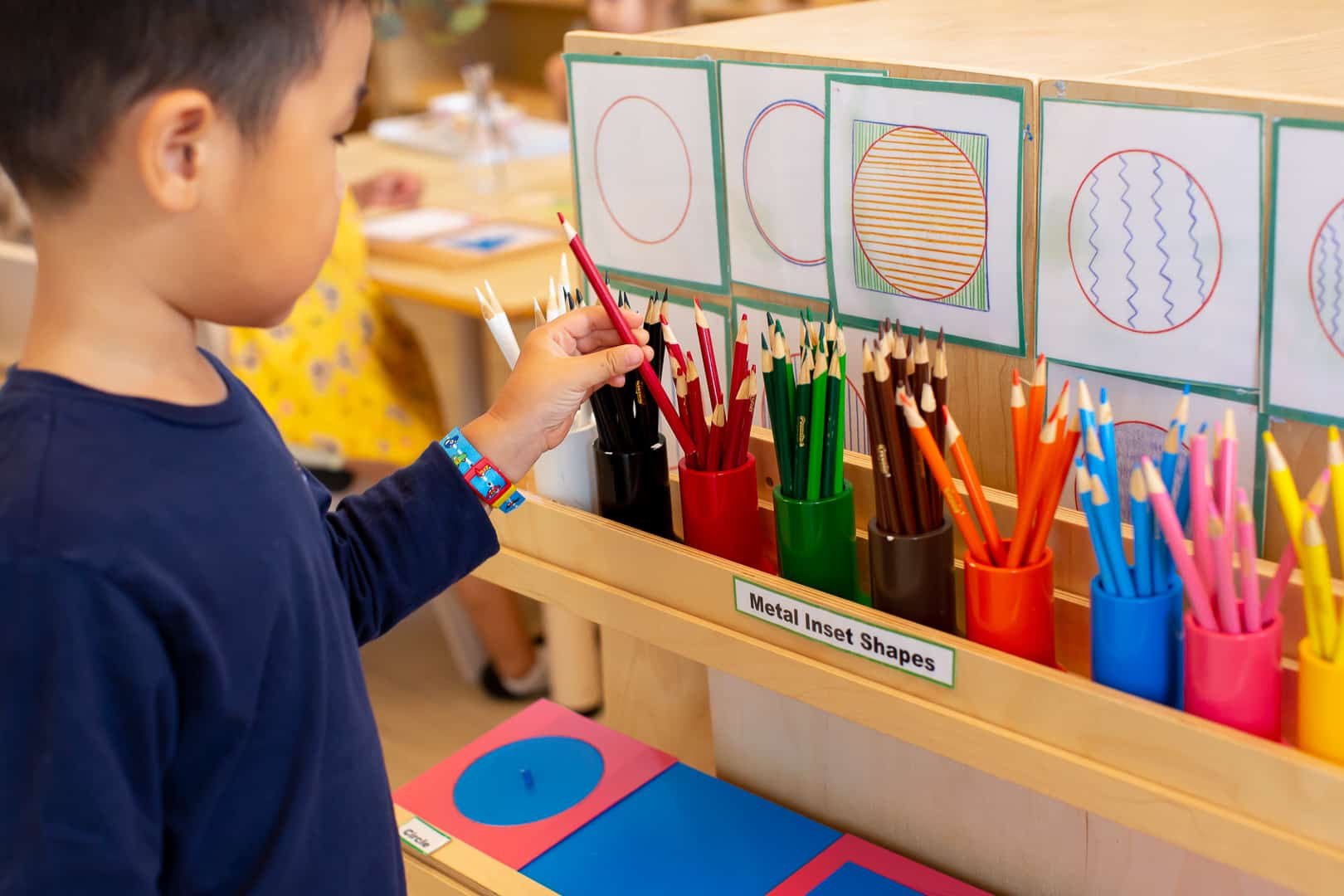
Working with the Metal Inset teaches children to develop their pencil grip, refine their fine motor skills, and learn how to draw within an outline and patterns.
The Spindle Box clarifies the concept that numeral symbols represent certain quantities. It also introduces the natural sequence of numbers and the concept of zero and its symbol.
Tranferring water with a dropper teaches children concentration and care while indirectly preparing them for measurement.
The Pink Tower teaches children to visually discriminate by dimension. It also develops fine motor skills, introduces the concept of the base ten, and indirectly prepares children for the decimal system.
The Number Rods help children learn the names of numbers and their sequence in order to relate the spoken number to its corresponding quantity.
Working with the Metal Inset teaches children to develop their pencil grip, refine their fine motor skills, and learn how to draw within an outline and patterns.