Learning how to use the toilet, also known as potty training, is a natural stage in your child’s journey towards independence. The Montessori guide to toilet training focuses on independence, readiness, and respect for the child. Rather than rushing the process or relying on rewards and pressure, the Montessori approach supports children in developing body awareness and confidence at their own pace.
Following the Montessori principles, toilet training is approached with respect, patience, and gentle guidance. Just as children learn to walk, feed themselves and dress independently, learning to use the toilet is another step toward self-care. Every child will progress at their own pace, and creating a supportive environment is key.
Montessori toilet training focuses not only on the mechanics of toileting but also on developing your child’s awareness of their body, encouraging autonomy, and fostering confidence. In Montessori education, we often use the term “toilet learning” instead of toilet training. The word “learning” reflects that this is a developmental process, not something imposed on a child before they are ready.
When is the “Right Time” to Start Toilet Training My Child?
One of the most common questions parents ask is: When should I start toilet training?
There isn’t a single “perfect” age for toilet training, as each child develops differently. Most children begin showing readiness between 18 and 36 months, but some may start earlier or later. It’s important to focus on your child’s developmental cues rather than strictly following age-based timelines. Rushing the process or waiting too long until the child “asks” may subtly delay certain stages of development, so observing readiness signs is key.
Montessori education recognises that children experience specific sensitive periods, windows of time when they are especially receptive to developing certain skills. Toilet learning often aligns with sensitive periods for order, movement, coordination and independence.
You may notice your child wanting to do more for themselves, insisting on dressing independently or becoming more aware of their body. These are positive signs that they may be ready to begin toilet learning.
Rather than waiting for a perfect moment, carefully observe your child. Readiness is usually gradual, not sudden.
How I Know if My Child is Ready for Toilet Training?
Toilet learning works best when it responds to developmental readiness rather than outside expectations. Beginning too early can cause frustration. Waiting too long can sometimes delay the development of independence and body awareness.
Some parents choose to wait until their child directly asks to use the toilet. While independence should always be respected, relying solely on this may unintentionally delay progress. Subtle guidance, when readiness signs are visible, helps support healthy development without pressure.
Readiness signs generally fall into two categories: physical and cognitive, or behavioural. Montessori toilet learning recognises that readiness is both physical and cognitive. Observing these signs ensures a smooth, positive experience.
Physical Signs of Readiness
- Your child can stay dry for periods of 1–2 hours.
- They show awareness of soiled or wet nappies.
- They can pull their pants up and down independently.
- They demonstrate motor skills needed to sit on the potty or toilet safely.
Cognitive or Behavioural Signs
- They express interest in watching adults or older children use the toilet.
- They can follow simple instructions and communicate needs.
- They show discomfort with dirty nappies and prefer cleanliness.
- They may indicate the urge to go through gestures, sounds, or words.
By recognising these signs early, you can support your child’s sensitive periods for independence. Waiting too long for your child to “ask” might unintentionally slow their progression in developing autonomy, so gentle guidance is helpful.
Preparing the Environment for Success
A well-prepared environment is essential for Montessori toilet training. This includes the physical space, equipment, and organisation.
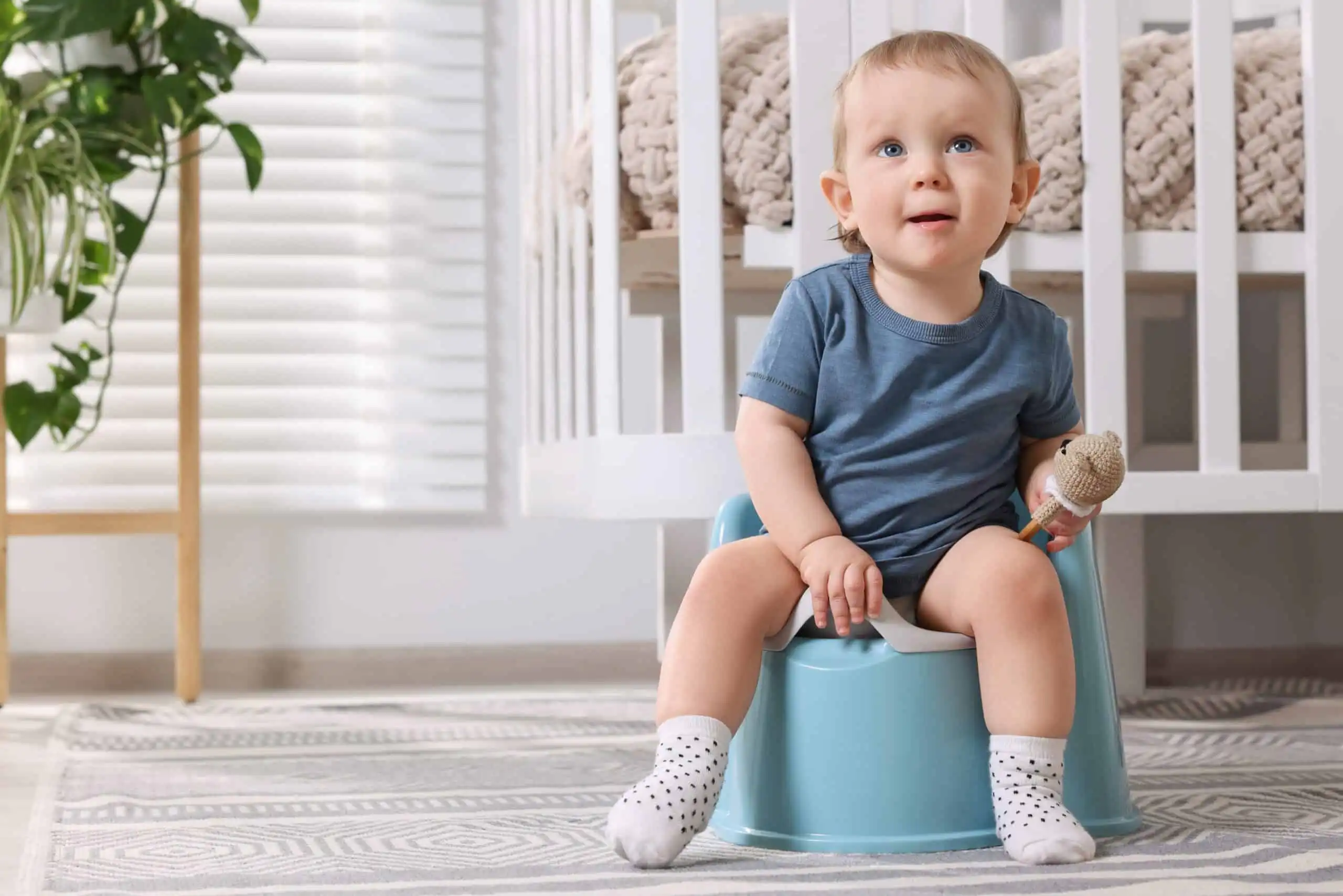
- Choosing Between Potty and Toilet: Start with a small potty if your child is hesitant or fearful of the big toilet. Gradually transition to the toilet with a secure step stool for independence.
- Equipment Needed: A potty, step stool, small bucket or basket for soiled clothes, wipes, and easy-to-remove underwear. Consider multiple sets of underwear to reduce stress during accidents.
- Organising the Space: Keep the potty accessible and visible in the bathroom. Place clean clothes and wipes within your child’s reach to encourage participation.
- Routine and Observation: Incorporate the toilet into daily routines and allow your child to observe adults using the toilet. Children learn best through imitation.
In Montessori, independence grows in a carefully organised space. A thoughtfully prepared prepared environment empowers children to take responsibility for their own care.
When preparing for toilet learning, focus on accessibility, simplicity and safety.
The Montessori Toilet Learning Process Step-by-Step
Once your child shows readiness, the training process begins. Montessori toilet training is structured yet flexible, respecting your child’s pace.
- Establish a Potty Routine
Set consistent times for your child to use the potty, such as after waking, after meals, or before naps. This consistency helps them anticipate toileting and build awareness. - Communicate with Caregivers
Share your approach with educators or caregivers so routines are mirrored both at home and in childcare. This consistency reinforces learning. - Positive Engagement During Training
- Encourage your child to sit on the potty when needed.
- Offer guidance without pressure, and celebrate efforts rather than just successes.
- Maintain calm, positive language to avoid shame or frustration.
- Accidents Are Learning Opportunities
Accidents are normal. Discuss what happened using neutral language, focusing on the sensation of being wet or dry. Avoid negative comments or punishment. - Transition to the Toilet
Use a secure step stool to make the toilet accessible. Let your child experiment with both the potty and the toilet to find comfort and independence. - On-the-Go Preparedness
Keep spare clothes, wipes, and a small bag for soiled clothes when leaving the house. Consistency while outside reinforces learning.
By summarising the Montessori process in these steps, you guide your child through toilet training with respect, independence, and confidence.
What if Toilet Training is Not Working?
Some children take longer to toilet train. This is normal. Tips for supporting children who struggle include:
- Avoid pressure or punishment: Stress can increase resistance.
- Check timing: Some children may need more exposure to the potty or toilet before regular use.
- Observe underlying factors: Constipation, illness, or developmental delays may affect progress.
- Seek guidance: Resources such as Continence Health Australia offer expert advice for children experiencing difficulties.
Remember, Montessori toilet learning is a journey. Each child progresses at their own pace, and support, patience, and consistency are key.
Supporting Your Child’s Development Through Toilet Training
Toilet training is more than just a physical milestone; it’s an opportunity to nurture independence and confidence. By approaching the process through Montessori values:
- Respect your child’s pace and individuality.
- Encourage self-reliance through small, manageable tasks.
- Use positive language and gentle guidance to reinforce learning.
- Prepare a structured environment where your child can take initiative.
When done mindfully, toilet training becomes a developmental milestone that supports autonomy, self-esteem, and practical life skills, all integral parts of Montessori Academy philosophy.
With patience, a prepared environment and consistent guidance, most children move through this stage successfully. Avoid comparisons with other children. Avoid pressure. Trust the developmental process.
Your child is capable. With respect and gentle support, they will develop this important life skill in their own time.
For more expert guidance on recognising readiness, check resources on recognising toilet training readiness.
FAQs
Q: Should I start with a potty or go straight to the toilet?
A: Most Montessori families start with a potty for accessibility and comfort, gradually moving to the toilet with a step stool once the child is ready.
Q: How do I handle accidents?
A: Treat accidents as learning opportunities. Focus on the sensation of wet/dry, maintain positive language, and avoid shame.
Q: What clothing works best?
A: Easy-to-remove underwear and clothing encourage independence and reduce frustration during potty visits.
Q: How do I support my child at childcare?
A: Communicate your approach with educators so routines are consistent between home and care.
Q: What if my child resists toilet training?
A: Respect their pace, provide gentle guidance, and consult resources such as Continence Health Australia if challenges persist.
This guide provides a comprehensive, Montessori-aligned approach to toilet training. By fostering independence, creating a prepared environment, and respecting your child’s unique stages of development and sensitive periods, toilet learning can become much more than just a practical milestone. It can be a meaningful step in your child’s journey towards self-reliance and confidence.
When approached with patience and gentle guidance, toilet training offers your child the chance to develop problem-solving skills, awareness of their own body, and a sense of accomplishment with every success. By involving them in every part of the process, such as choosing their underwear, accessing their potty, wiping, and tidying up, children learn responsibility and the value of routine.
For parents, this process also strengthens the connection with your child. It provides moments of shared learning, encouragement, and celebration of progress. Accidents become natural learning experiences rather than setbacks, which helps foster a positive attitude and emotional resilience.
Montessori toilet training treats the child as an active participant in their own learning. With a well-prepared environment, clear routines, and consistent support, this stage can be an empowering experience.